When it comes to the world of construction, manufacturing, and various industrial applications, the choice of a structural adhesive is a critical decision. As a supplier of structural adhesives, I’ve witnessed firsthand the impact that the right adhesive can have on the success of a project. In this blog post, I’ll share the key factors that should be considered when selecting a structural adhesive. Structural Adhesive

1. Bonding Substrates
The first and perhaps most important factor is the type of substrates you need to bond. Different materials have different surface characteristics, such as porosity, surface energy, and chemical composition. For example, bonding metals requires an adhesive that can form a strong bond with the metal surface and resist corrosion. Epoxy adhesives are often a good choice for metal bonding due to their excellent adhesion and chemical resistance.
On the other hand, bonding plastics can be more challenging as different plastics have different properties. Some plastics, like polyethylene and polypropylene, have low surface energy, which makes it difficult for adhesives to bond to them. In such cases, surface treatment methods such as corona treatment or primer application may be required to improve adhesion. Acrylic adhesives are commonly used for bonding plastics because they offer good adhesion to a wide range of plastic materials.
Wood is another common substrate, and when bonding wood, you need an adhesive that can withstand the natural expansion and contraction of the wood due to changes in humidity and temperature. Polyurethane adhesives are a popular choice for wood bonding as they provide a flexible bond that can accommodate these movements.
2. Strength Requirements
The strength of the bond is a crucial consideration. Different applications require different levels of bond strength. For example, in structural applications such as building construction or automotive manufacturing, high-strength adhesives are necessary to ensure the safety and integrity of the structure. The strength of an adhesive is typically measured in terms of shear strength, tensile strength, and peel strength.
Shear strength refers to the ability of the adhesive to resist forces that act parallel to the bond line. Tensile strength measures the ability of the adhesive to withstand forces that pull the bonded substrates apart. Peel strength is the force required to separate the bonded substrates at the edge of the bond. When selecting an adhesive, you need to determine the specific strength requirements of your application and choose an adhesive that can meet or exceed those requirements.
3. Environmental Conditions
The environmental conditions in which the bonded assembly will be used play a significant role in adhesive selection. Factors such as temperature, humidity, exposure to chemicals, and UV radiation can all affect the performance of the adhesive.
For applications in high-temperature environments, such as in the aerospace or automotive industries, adhesives with high heat resistance are required. Silicone adhesives are known for their excellent heat resistance and can withstand temperatures up to several hundred degrees Celsius.
In humid or wet environments, adhesives need to be resistant to water and moisture. Epoxy adhesives with good water resistance are often used in applications where the bonded parts will be exposed to water, such as in marine or plumbing applications.
Exposure to chemicals can also degrade the performance of an adhesive. If the bonded assembly will be in contact with chemicals, you need to choose an adhesive that is resistant to those specific chemicals. For example, in chemical processing plants, adhesives that are resistant to acids, bases, and solvents are required.
UV radiation can cause adhesives to degrade over time, leading to a loss of bond strength. If the bonded assembly will be exposed to sunlight, you should choose an adhesive with good UV resistance. Some adhesives are formulated with UV stabilizers to protect against UV damage.
4. Cure Time
The cure time of an adhesive is an important consideration, especially in production environments where time is of the essence. Different adhesives have different cure times, which can range from a few minutes to several hours or even days.
Fast-curing adhesives are ideal for applications where rapid assembly is required. Cyanoacrylate adhesives, also known as super glues, have a very fast cure time and can bond substrates in seconds. However, they may not be suitable for applications that require high strength or long-term durability.
For applications where a longer cure time is acceptable, two-component adhesives such as epoxy or polyurethane adhesives can be used. These adhesives typically require mixing of two components before application and have a longer cure time, but they offer higher strength and better durability.
5. Viscosity
The viscosity of an adhesive refers to its thickness or flowability. The viscosity of the adhesive you choose will depend on the application method and the type of substrates you are bonding.
For applications where the adhesive needs to be applied in a thin layer, such as in laminating or coating applications, low-viscosity adhesives are preferred. These adhesives can flow easily and spread evenly over the substrate surface.
On the other hand, for applications where the adhesive needs to fill gaps or hold parts in place during the curing process, high-viscosity adhesives are more suitable. High-viscosity adhesives have a thicker consistency and can provide better gap-filling properties.
6. Cost
Cost is always a factor in any purchasing decision. When selecting a structural adhesive, you need to consider the cost of the adhesive itself, as well as the cost of application and any additional materials or equipment required.
While it may be tempting to choose the cheapest adhesive available, it’s important to remember that the quality and performance of the adhesive can have a significant impact on the success of your project. A low-cost adhesive may not provide the required strength or durability, which could lead to costly repairs or replacements in the long run.
On the other hand, choosing the most expensive adhesive may not always be necessary. You need to find a balance between cost and performance to ensure that you are getting the best value for your money.
7. Regulatory Compliance
In many industries, there are strict regulations and standards that govern the use of adhesives. When selecting a structural adhesive, you need to ensure that it complies with all relevant regulations and standards.
For example, in the food and beverage industry, adhesives used in contact with food must meet strict food safety regulations. In the automotive industry, adhesives must meet certain performance and safety standards.
It’s important to work with a reputable adhesive supplier who can provide you with the necessary documentation and certifications to ensure that the adhesive you choose is compliant with all relevant regulations.
8. Application Method
The application method of the adhesive is another important consideration. Different adhesives are designed for different application methods, such as brush application, spray application, or dispensing.
Brush application is a simple and cost-effective method for applying adhesives, but it may not be suitable for large-scale applications. Spray application is more efficient for covering large areas, but it requires specialized equipment and may not be suitable for all types of adhesives. Dispensing is a precise method for applying adhesives, especially for small or intricate parts.
When selecting an adhesive, you need to consider the application method that is most suitable for your project and choose an adhesive that is compatible with that method.
Conclusion
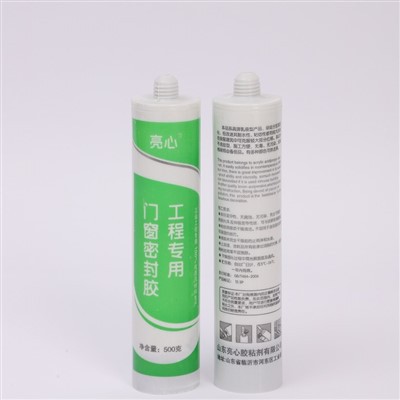
Selecting the right structural adhesive is a complex decision that requires careful consideration of several factors. By taking into account the bonding substrates, strength requirements, environmental conditions, cure time, viscosity, cost, regulatory compliance, and application method, you can choose an adhesive that will provide the best performance and value for your project.
Glue Gun For Foam As a supplier of structural adhesives, I’m here to help you make the right choice. If you have any questions or need further assistance in selecting the appropriate adhesive for your application, please don’t hesitate to contact me. I look forward to working with you to ensure the success of your project.
References
- "Adhesive Bonding: Principles and Practice" by A. V. Pocius
- "Handbook of Adhesives" by Irving Skeist
- "Structural Adhesives: Chemistry and Technology" by S. R. Hartshorn
Shandong Liangxin Adhesives Co., Ltd.
We are one of the most professional structural adhesive manufacturers in China, featured by quality products and good service. Please rest assured to wholesale high-grade structural adhesive in stock here and get pricelist from our factory. We also accept customized orders.
Address: Industrial Park,Jiudu Sub-district,Hedong District, Linyi City.Shandong Province, China
E-mail: 15253909280@139.com
WebSite: https://www.liangxinglue.com/
