A Resistance Temperature Detector (RTD) is a crucial device in temperature measurement, widely used across various industries due to its high accuracy, stability, and repeatability. As a supplier of RTDs, I often encounter questions regarding the precision of these sensors. In this blog, I will delve into what the precision of an RTD means, the factors that affect it, and why it matters in different applications. Resistance Temperature Detector
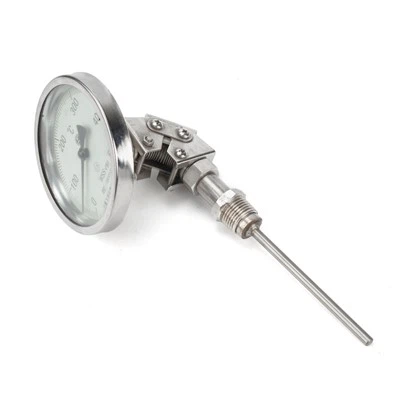
Understanding the Precision of an RTD
Precision in the context of an RTD refers to the closeness of agreement among a set of measurements obtained under the same conditions. It is a measure of how reproducible the temperature readings are. Unlike accuracy, which is about how close a measurement is to the true value, precision focuses on the consistency of the measurements.
An RTD works on the principle that the electrical resistance of a metal changes with temperature. Most RTDs are made of platinum, which has a very stable and predictable resistance – temperature relationship. The precision of an RTD is typically expressed in terms of temperature units, such as degrees Celsius (°C) or degrees Fahrenheit (°F). For example, an RTD with a precision of ±0.1°C means that if you take multiple measurements of the same temperature, the readings will be within 0.1°C of each other.
Factors Affecting the Precision of an RTD
1. Material Quality
The quality of the metal used in the RTD plays a significant role in its precision. Platinum is the most commonly used material for RTDs because of its high purity, stability, and linear resistance – temperature relationship. High – purity platinum ensures that the resistance changes in a predictable manner with temperature, leading to more precise measurements. Impurities in the platinum can cause deviations in the resistance – temperature curve, reducing the precision of the RTD.
2. Manufacturing Process
The manufacturing process of an RTD also affects its precision. The way the platinum wire is wound, the insulation used, and the encapsulation of the sensor can all impact the performance of the RTD. For example, if the wire is not wound evenly, it can lead to variations in the resistance and thus affect the precision of the temperature measurement. Additionally, proper insulation is necessary to prevent electrical interference, which can also cause errors in the readings.
3. Environmental Conditions
Environmental factors such as temperature, humidity, and vibration can affect the precision of an RTD. Extreme temperatures can cause the RTD to expand or contract, which may change its resistance and lead to measurement errors. High humidity can cause corrosion of the platinum wire, altering its electrical properties. Vibration can also cause mechanical stress on the RTD, which may affect its performance.
4. Signal Conditioning
The signal conditioning circuit used with the RTD is crucial for achieving high precision. The circuit is responsible for converting the resistance change of the RTD into a voltage or current signal that can be measured. A well – designed signal conditioning circuit can minimize noise and interference, ensuring accurate and precise temperature measurements.
Importance of Precision in Different Applications
1. Industrial Process Control
In industrial applications, precise temperature control is essential for maintaining product quality and process efficiency. For example, in the chemical industry, many chemical reactions are temperature – sensitive. An RTD with high precision can ensure that the reaction temperature is maintained within a narrow range, preventing product defects and improving yield.
2. Medical Applications
In the medical field, precise temperature measurement is critical for patient monitoring and diagnosis. For example, in a neonatal intensive care unit, accurate temperature measurement of premature infants is crucial for their survival and well – being. An RTD with high precision can provide reliable temperature readings, allowing medical staff to make informed decisions.
3. Scientific Research
In scientific research, precise temperature control and measurement are often required. For example, in materials science, the properties of materials can change significantly with temperature. An RTD with high precision can help researchers accurately measure and control the temperature during experiments, leading to more reliable results.
How We Ensure Precision in Our RTDs
As a supplier of RTDs, we take several steps to ensure the precision of our products.
1. High – Quality Materials
We use only high – purity platinum in our RTDs. Our platinum has a purity of at least 99.99%, which ensures a stable and predictable resistance – temperature relationship. This high – quality material forms the basis for our precise temperature measurements.
2. Advanced Manufacturing Techniques
We employ advanced manufacturing techniques to ensure the even winding of the platinum wire and proper insulation. Our manufacturing process is carefully controlled to minimize variations in the RTDs. We also conduct rigorous quality control tests at every stage of the manufacturing process to ensure that each RTD meets our high – precision standards.
3. Customized Signal Conditioning
We offer customized signal conditioning solutions for our RTDs. Our engineers design the signal conditioning circuits to minimize noise and interference, ensuring accurate and precise temperature measurements. We also provide calibration services to ensure that our RTDs are accurately calibrated and provide reliable readings.
Conclusion
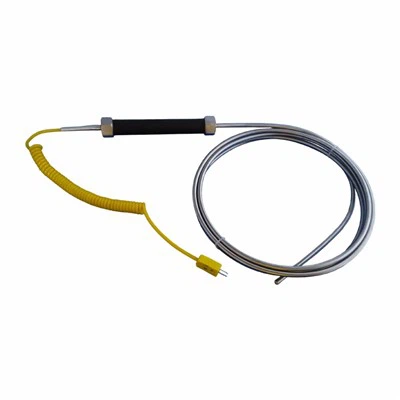
The precision of an RTD is a critical factor in its performance, especially in applications where accurate temperature measurement is essential. As a supplier, we understand the importance of precision and take every step to ensure that our RTDs meet the highest standards. Whether you are in the industrial, medical, or scientific field, our high – precision RTDs can provide reliable temperature measurements for your specific needs.
Smart Thermometer If you are interested in purchasing high – precision RTDs for your application, we would be more than happy to discuss your requirements. Contact us to start a conversation about how our RTDs can meet your needs and improve the accuracy of your temperature measurements.
References
- ASTM E1137/E1137M – 17, Standard Specification for Industrial Platinum Resistance Thermometers.
- International Electrotechnical Commission (IEC) 60751:2008, Industrial platinum resistance thermometers and platinum temperature sensors.
Jiangsu Zhaolong Electric Co., Ltd.
We’re well-known as one of the leading resistance temperature detector manufacturers and suppliers in China, featured by quality products and low price. Please feel free to buy customized resistance temperature detector made in China here from our factory. Contact us for more details.
Address: No. 80, Zhangguo Chang’an Road, Dainan Town, Xinghua City, Jiangsu Province
E-mail: 180193845@qq.com
WebSite: https://www.cnzhaolong.com/
