Hey everyone, let’s talk about something that’s probably flying under the radar for most, but straight-up makes electroplating glass work: titanium anodes. Yeah, you heard that right—titanium isn’t just for jet engine parts or fancy jewelry, it’s a total game-changer when you’re plating that glass for everything from smartphone screens to decorative homeware. I’m part of a titanium anode supply team, and let me tell you, we get so many questions about why we push these instead of, like, regular old metal anodes. So let’s break this down real simple, no stuffy science jargon that makes you zone out. Titanium Anode
First, let’s get on the same page about what electroplating glass even is. Glass is non-conductive, right? So before you plate anything on it, you gotta give it a tiny conductive "seed layer"—usually something like copper or nickel, applied via a quick sputter or thin metal coating. Then you stick that treated glass into an electroplating bath, hook up the power, and run current through it. The idea is that metal ions in the bath stick to the seed layer, building up that shiny, durable coating people want. That’s where the anode comes in—wait, wait, hold on, for anyone new: the anode is the part connected to the positive terminal of the power supply, right? And it’s the unsung hero of the whole setup. If your anode sucks, the whole plating job sucks—no exceptions.
Now, why titanium for this? Let’s compare it to the anodes people used before, like pure lead or even stainless steel. Lead was the old go-to, but it’s toxic AF. You’ve got disposal issues, OSHA headaches, even just handling it is a pain. Stainless steel? It works for some plating, but not glass. Wait, here’s the big one: when you run electroplating, the anode doesn’t just sit there—it reacts. For most metals, the anode would dissolve a little, releasing ions into the bath to feed the coating process. But glass plating uses acid-heavy baths, right? Those baths eat through most metals super fast. Titanium? It’s corrosion-resistant, like, next level. It forms this super thin, invisible oxide layer on its surface when it hits acid—this layer stops it from dissolving, so it doesn’t contaminate the plating bath. Contamination is a death sentence for glass plating, because if random metal ions from your anode get in the bath, your coating will be spotty, weak, or even peel off. We’ve seen so many clients come to us after ruining $10k worth of glass parts because they used a cheap stainless steel anode that corroded, and now we fix their whole setup with titanium ones.
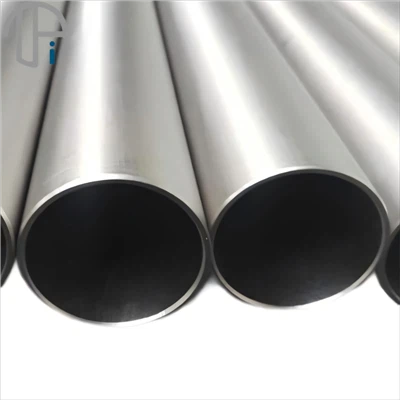
Wait, but titanium anodes aren’t just pure titanium—most of the ones we supply are coated, right? Like with a mix of platinum or iridium oxide. That coating is key. Because even though titanium doesn’t dissolve, the bare oxide layer isn’t great at conducting current. So we coat it with something that acts like a "conduction bridge"—it lets current flow smoothly from the power supply into the bath, without breaking down, even after thousands of plating cycles. For glass, you need super consistent current, right? Because the seed layer is thin, so any dip in current or hot spot (where current is too high) will leave a streak or a thin spot. Titanium anodes with those specialty coatings keep current uniform across the whole glass part, even for weird shapes—like a curved smartphone screen or a decorative glass goblet. Old anodes would have hot spots all over, but not these.
Let’s get into the actual role here, step by step, because it’s not just "conducts current"—it does three main things that make glass plating viable. First, it maintains bath purity. Like I said earlier, acid baths and regular anodes don’t mix. A titanium anode (coated, obviously) doesn’t leach metal ions, so your bath stays stable. Glass plating is often for high-end stuff—semiconductor glass, automotive mirror glass, decorative kitchenware—so if the bath is contaminated, you can’t sell it. We had a client that makes car rearview mirrors; they were using lead anodes and had to replace their bath every 2 months, costing them a fortune. Switched to our titanium anodes, and now their bath lasts 6+ months. That’s not just a win for them—that’s a win for their budget and the environment, because they’re throwing away less toxic waste.
Second, it supports uniform current distribution. Glass parts come in all shapes—big flat panels, small intricate trinkets, curved screens. If your anode is flimsy or corroding, the current won’t spread evenly across the glass. For example, if you’re plating a glass iPhone screen, the edges will get more current than the center, so the coating will be thicker on the edges and peel off easy. Our titanium anodes are durable, and since they don’t corrode, their surface stays smooth and consistent. We can even size them to match the exact shape of the glass parts—like a curved anode for curved phone screens, or a flat anode for big display panels. That customization is huge, and it’s why titanium has taken over glass plating.
Third, it extends the lifespan of the entire plating setup. Wait, not just the anode— the bath, the power supply, even the glass parts. If your anode is dissolving, those metal ions will eat away at the power supply connections too, costing you more in repairs. And if the current is uneven from a bad anode, you’re wasting electricity on fixing mistakes, like re-plating bad glass parts. A titanium anode can last for years, even in super demanding glass plating environments. We’ve got a client that’s been using our titanium anodes for 4 years straight, no replacements needed. Compare that to stainless steel anodes that need to be swapped every few months, or lead anodes that last even less.
Wait, let’s address a common myth I hear all the time: "Titanium is expensive, so why not go cheap?" Yeah, upfront it’s a little more than a cheap stainless steel anode. But when you do the math? You save money on bath replacements, fewer spoiled glass parts, less downtime swapping anodes, lower waste disposal costs. Let me give you an example: a glass plating shop we work with in Texas was spending $15k a month on spoiled parts and bath replacements with their old anodes. Switched to our titanium anodes for $2k upfront, and now their monthly costs dropped to $4k. That’s a $11k savings every month. Cheap ends up being way more expensive.
Also, let’s talk about regulatory stuff. A lot of places—especially the EU and parts of the US—have strict rules about toxic metals in manufacturing. Lead and cadmium from old anodes are no-go for many glass plating applications now, especially if the glass is going to be used in food or medical settings. Titanium is non-toxic, so it meets all those regulatory standards. You can plate glass with our anodes and know you’re not producing toxic waste that you have to pay extra to dispose of, or risking fines. That’s a big one for clients that want to stay compliant.
Wait, but what about when you’re plating different metals on glass? Like, sometimes you plate copper, sometimes nickel, sometimes even chrome. Does the anode matter there? Yeah, and titanium works with all of them. Our coated titanium anodes are versatile—they work in acid copper baths, nickel sulfamate baths, even chrome plating baths. No need to switch out anodes every time you switch the metal, which saves even more time and hassle. That’s another thing that makes titanium better than custom anodes for specific metals.
Let me also mention a recent project we did, because it’s real. We worked with a company that makes high-end decorative glass lighting fixtures—like those fancy pendant lights you see in hotels. They were using a custom metal anode that kept corroding, so their glass fixtures would have patchy gold plating, and they were getting so many returns. They switched to our platinum-coated titanium anodes, and now their plating is perfect every time. Returns dropped by 90%, and their production time went down because they don’t have to stop every hour to fix spotty parts. That’s the kind of result we’re all about.
Now, let’s wrap this up so we don’t ramble too much. The titanium anode’s role in glass electroplating isn’t just technical—it’s the backbone that makes the whole process work reliably, affordably, and compliantly. It keeps the bath clean, ensures consistent plating even on weird shapes, lasts way longer than old anodes, and saves you money in the long run.
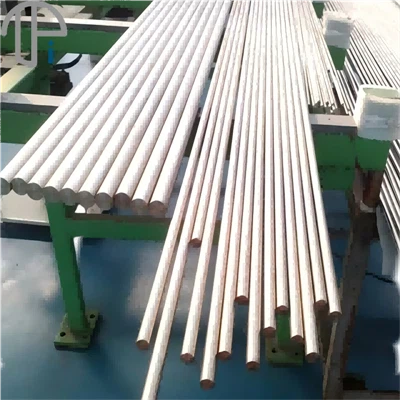
If you’re in the glass plating game, and you’re tired of spotty coatings, short-lasting baths, or wasting money on cheap anodes that fall apart, we can hook you up. We supply custom-sized, coated titanium anodes for all kinds of glass plating needs—from small decorative parts to big industrial display glass. No middlemen, just real, high-quality titanium anodes that do what they’re supposed to. Hit us up to chat about your setup, we’ll even help you figure out the right anode size and coating for your specific process.
Don’t waste another batch of glass parts on bad anodes. Let’s get your plating consistent and profitable.
Titanium Wire References:
- Fratesi, R., & Roventi, G. (2015). Titanium and titanium alloys as electrode materials for electrochemical applications. Journal of Applied Electrochemistry, 45(10), 1023-1035.
- Schlesinger, M., & Paunovic, M. (2010). Modern Electroplating (5th ed.). John Wiley & Sons.
- Walsh, F. C., & Low, C. T. J. (2017). Anode materials for electroplating and metal finishing: A review. Transactions of the IMF, 95(2), 59-71.
- American Water Works Association. (2018). Corrosion Control in Water Treatment Systems. AWWA Publications.
- Zhang, Y., et al. (2020). Corrosion behavior of coated titanium anodes in acidic electroplating baths for glass metallization. Surface and Coatings Technology, 387, 125567.
Baoji Top Titanium Industry Co., Ltd.
As one of the most professional titanium anode manufacturers and suppliers in China, we’re featured by quality products and good price. Please rest assured to buy bulk titanium anode in stock here and get quotation from our factory. Customized orders are welcome.
Address: No. 2, South Section Of Phoenix 2nd Road,High-Tech Zone, Baoji,Shaanxi, China (Mainland)
E-mail: sales@bjtopti.com
WebSite: https://www.china-topti.com/
