As a supplier of control cable low voltage, ensuring the quality of our products is not only a commitment to our customers but also a cornerstone of our business. In the market, the quality of control cables can vary significantly, and it is crucial for both suppliers like us and our customers to have effective methods to verify the quality of low – voltage control cables. This blog post will delve into several key aspects of how to verify the quality of control cable low voltage. Control Cable Low Voltage
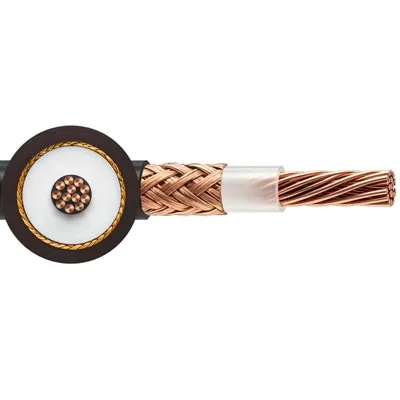
1. Visual Inspection
The first step in verifying the quality of control cables is a thorough visual inspection. When I receive a batch of cables from our production line or before shipping them to customers, I always start with this basic yet essential check.
- Cable Jacket Integrity: The outer jacket of the control cable serves as a protective layer against environmental factors such as moisture, abrasion, and chemicals. A high – quality cable should have a smooth, uniform jacket without any visible cracks, scratches, or bubbles. Any damage to the jacket can compromise the cable’s performance and longevity. For example, a small crack in the jacket may allow moisture to seep in, leading to corrosion of the inner conductors over time.
- Printing and Markings: Legible and accurate printing on the cable is another important visual indicator. The cable should be clearly marked with information such as the cable type, voltage rating, conductor size, and manufacturer’s details. This information not only helps in proper installation and identification but also reflects the manufacturer’s attention to detail. If the printing is faded, smudged, or inaccurate, it may be a sign of poor manufacturing quality.
- Conductor Appearance: When inspecting the conductors inside the cable, they should be shiny and free from oxidation or discoloration. Copper conductors, which are commonly used in control cables, should have a bright, orange – red color. Any signs of darkening or greenish discoloration may indicate that the conductors have been exposed to moisture or other corrosive substances, which can increase resistance and reduce the cable’s electrical performance.
2. Electrical Performance Testing
After the visual inspection, electrical performance testing is the next crucial step in verifying the quality of control cables. This involves several tests to ensure that the cable meets the required electrical specifications.
- Insulation Resistance Testing: Insulation resistance is a measure of the ability of the cable’s insulation to prevent the flow of electric current between the conductors. A high insulation resistance value indicates good insulation quality. To perform this test, a megohmmeter is typically used. The test should be conducted at the specified test voltage and for a specific duration. For low – voltage control cables, the insulation resistance should be within the range specified by the relevant standards. A low insulation resistance value may indicate insulation damage or moisture ingress, which can lead to electrical leakage and potential safety hazards.
- Capacitance Testing: Capacitance is an important electrical property of control cables, especially in applications where signal transmission is involved. Capacitance testing helps to determine if the cable’s capacitance is within the acceptable range. A cable with abnormal capacitance can cause signal distortion and interference. Specialized capacitance meters are used to measure the capacitance of the cable. The measured value should be compared with the manufacturer’s specifications to ensure compliance.
- Conductor Resistance Testing: Conductor resistance is directly related to the cable’s ability to carry electrical current. A low – resistance conductor is desirable as it reduces power losses and heat generation. To measure the conductor resistance, a micro – ohmmeter is used. The measured resistance value should be compared with the theoretical value based on the conductor’s material, size, and length. Any significant deviation from the expected value may indicate a problem with the conductor, such as a poor connection or a defect in the conductor material.
3. Mechanical Performance Testing
Control cables are often subjected to various mechanical stresses during installation and operation. Therefore, verifying their mechanical performance is essential to ensure their reliability.
- Tensile Strength Testing: Tensile strength is the maximum amount of tensile stress that a cable can withstand before breaking. A high – quality control cable should have sufficient tensile strength to withstand the pulling forces during installation. Tensile strength testing is typically performed using a tensile testing machine. The cable is clamped at both ends and gradually pulled until it breaks. The maximum force applied during the test is recorded as the cable’s tensile strength. The test results should be compared with the relevant standards to ensure that the cable meets the required strength requirements.
- Bend Radius Testing: The bend radius of a cable refers to the minimum radius around which the cable can be bent without causing damage to the conductors or insulation. A cable with a small bend radius can be more flexible and easier to install in tight spaces. Bend radius testing involves bending the cable around a mandrel of a specified radius for a certain number of cycles. After the test, the cable is inspected for any signs of damage, such as conductor breakage or insulation cracking. If the cable passes the bend radius test, it indicates that it can withstand the bending stresses during normal installation and use.
- Abrasion Resistance Testing: In some applications, control cables may be exposed to abrasion from moving parts or rough surfaces. Abrasion resistance testing is used to evaluate the cable’s ability to withstand abrasion. The test typically involves rubbing the cable against an abrasive surface for a specified number of cycles. The amount of wear on the cable’s jacket is then measured. A cable with good abrasion resistance should have minimal wear after the test.
4. Environmental Testing
Control cables are often used in various environmental conditions, and their performance can be affected by factors such as temperature, humidity, and chemicals. Therefore, environmental testing is necessary to ensure that the cables can operate reliably in different environments.
- Temperature Testing: Temperature can have a significant impact on the electrical and mechanical properties of control cables. High temperatures can cause the insulation to soften and degrade, while low temperatures can make the cable more brittle. Temperature testing involves subjecting the cable to a range of temperatures, from low to high, and measuring its performance at each temperature. For example, the insulation resistance and conductor resistance of the cable may be measured at different temperatures to evaluate its thermal stability. The cable should be able to maintain its performance within the specified temperature range.
- Humidity Testing: Humidity can also affect the performance of control cables, especially if the cable’s insulation is not moisture – resistant. Humidity testing involves placing the cable in a high – humidity environment for a specified period and then measuring its electrical performance. A cable with good moisture resistance should be able to maintain its insulation resistance and other electrical properties even in a humid environment.
- Chemical Resistance Testing: In some industrial applications, control cables may be exposed to various chemicals. Chemical resistance testing is used to evaluate the cable’s ability to withstand the effects of these chemicals. The test typically involves immersing the cable in a specified chemical solution for a certain period and then inspecting it for any signs of damage, such as swelling, cracking, or discoloration. A cable with good chemical resistance should be able to maintain its integrity and performance when exposed to the relevant chemicals.
5. Compliance with Standards
Finally, verifying that the control cable complies with relevant industry standards is an important part of quality verification. Standards such as UL (Underwriters Laboratories), IEC (International Electrotechnical Commission), and national standards provide guidelines for the design, manufacturing, and performance of control cables.
- Standards for Electrical Performance: These standards specify the electrical parameters such as voltage rating, insulation resistance, and conductor resistance that a control cable must meet. By ensuring compliance with these standards, we can guarantee that the cable will perform safely and effectively in its intended application.
- Standards for Mechanical Performance: There are also standards for mechanical properties such as tensile strength, bend radius, and abrasion resistance. Compliance with these standards ensures that the cable can withstand the mechanical stresses during installation and operation.
- Standards for Environmental Performance: Standards related to environmental performance cover aspects such as temperature, humidity, and chemical resistance. By meeting these standards, the cable can be used reliably in different environmental conditions.
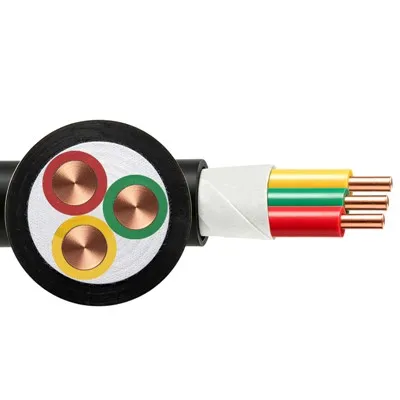
In conclusion, verifying the quality of control cable low voltage involves a comprehensive approach that includes visual inspection, electrical performance testing, mechanical performance testing, environmental testing, and compliance with standards. As a supplier, we are committed to ensuring that our products meet the highest quality standards through these rigorous verification processes. If you are in need of high – quality control cable low voltage, we invite you to contact us for a detailed discussion on your requirements. We are confident that our products and services will meet your expectations and contribute to the success of your projects.
Electric Wire References
- Electrical Installation Handbook, Schneider Electric
- Cable Engineering and Installation Manual, Prysmian Group
Yangzhou Huayu Cable Co., Ltd.
Yangzhou Huayu Cable Co., Ltd. is one of the most professional control cable low voltage manufacturers and suppliers in China, also supports customized service with low price. Please feel free to wholesale advanced control cable low voltage made in China here from our factory. Contact us for pricelist.
Address: No. 9 Jingang Road, Yangzhou City, Jiangsu Province, China
E-mail: huayucableco@126.com
WebSite: https://www.huayucabletech.com/
