Hey there! I’m a supplier in the low – voltage power cable business. When it comes to choosing low – voltage power cables, cost – effectiveness is a big deal for everyone, whether you’re a small business owner or part of a large industrial project. So, let’s break down the key cost – effectiveness considerations. Power Cable Low Voltage
Initial Purchase Cost
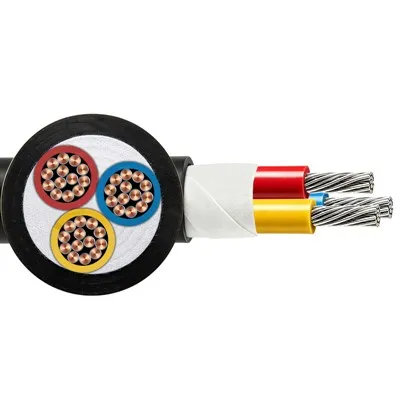
The first thing that comes to mind when thinking about cost is the initial purchase price. It’s super important, but it shouldn’t be the only thing you look at. Different types of low – voltage power cables can have a wide range of prices. For example, PVC insulated cables are usually cheaper compared to XLPE insulated ones. PVC cables are great for basic applications where the environment is not too harsh. They’re affordable and can do the job well in simple setups like small office buildings or residential areas.
But if you’re in a place with high temperatures or where the cables need to be more flexible, XLPE cables might be a better choice. They cost more upfront, but they last longer and can handle tougher conditions. So, when you’re looking at the price tag, think about what you need the cable for. If it’s a short – term project or a low – stress environment, going for the cheaper option might make sense. But for long – term, high – demand applications, spending a bit more initially can save you a lot in the long run.
Installation Cost
Installation is another major cost factor. Some cables are easier to install than others, and this can have a big impact on your overall budget. For instance, some low – voltage cables are very flexible, which means they can be bent and routed easily around corners and through tight spaces. This flexibility reduces the time and labor required for installation.
On the other hand, rigid cables might need special equipment and more skilled workers to install. They also take longer to set up, which can drive up the labor costs. You also need to consider the accessories required for installation. Some cables need specific connectors, glands, or trays, and these can add to the total cost. Make sure you factor in all these installation – related costs when choosing a cable. It might be worth paying a bit more for a cable that’s easier to set up, as you’ll save on labor and installation – specific equipment.
Energy Efficiency
Energy efficiency is often overlooked but can have a huge impact on cost – effectiveness over time. A cable with low resistance will carry electrical current more efficiently, which means less energy is wasted as heat. Over a long period, this can result in significant cost savings on your electricity bill.
For example, cables with larger cross – sectional areas generally have lower resistance. While they might cost more to buy, they can pay for themselves in the long term through reduced energy consumption. You should also look at the cable’s insulation quality. Good insulation can prevent leakage currents, further improving energy efficiency. When evaluating different cables, ask about their energy – related specifications. Some manufacturers provide data on the cable’s power loss, which can help you make an informed decision.
Durability and Lifespan
Cables don’t last forever, but some last a lot longer than others. The lifespan of a low – voltage power cable depends on many factors, such as the quality of materials used, the environment it’s installed in, and how well it’s maintained.
In a corrosive environment, for example, a cable with a corrosion – resistant outer sheath will last longer. Stainless steel or polyurethane sheaths are often used for this purpose. These may cost more initially, but they can save you from the hassle and expense of frequent cable replacements.
Similarly, if the cable is going to be exposed to mechanical stress, like in a factory where there’s a lot of moving equipment, choosing a cable with high mechanical strength is crucial. Cables with armored layers or reinforced insulation can withstand more abuse and have a longer lifespan. When you factor in the cost of replacement, including labor and downtime, buying a more durable cable can be much more cost – effective in the long run.
Maintenance Costs
Maintenance is another aspect of cost – effectiveness. Some cables require more upkeep than others. For example, cables installed in harsh environments may need regular inspections for damage, moisture ingress, or corrosion. If the cable has a complex design or is difficult to access, these inspections can be time – consuming and expensive.
On the other hand, some cables are designed to be low – maintenance. They have self – healing insulation or are less prone to common issues. Choosing a low – maintenance cable can save you money on maintenance staff, tools, and replacement parts. You should also consider the ease of repairs. If a cable is easy to fix when it does go wrong, it will reduce the overall cost of ownership.
Compatibility and Future Expansion
It’s important to think about compatibility with your existing electrical system and future expansion plans. If you choose a cable that’s not compatible with your equipment or switchgear, you may need to buy additional adaptors or make modifications, which adds to the cost.
Also, if you plan to expand your electrical system in the future, you’ll want to choose a cable that can handle the increased load. Over – sizing the cable slightly at the beginning can be a cost – effective strategy. It may cost a bit more upfront, but it saves you from having to replace the cables when you expand the system.
Supplier Support
As a supplier, I can tell you that good supplier support is also a cost – effectiveness consideration. You want a supplier who can provide technical advice, help you with installation issues, and offer quick replacement in case of a problem.
A reliable supplier will also be able to give you accurate lead times, which is important for project planning. If you have to wait a long time for a cable replacement due to delays from the supplier, it can lead to costly downtime. So, when choosing a cable, consider the reputation and support services of the supplier.
Final Thoughts
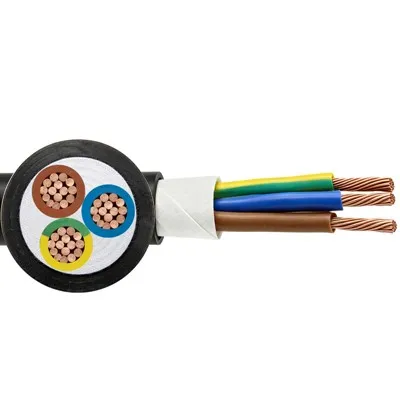
In conclusion, choosing the most cost – effective low – voltage power cable involves looking at more than just the initial price. You need to consider installation costs, energy efficiency, durability, maintenance, compatibility, and supplier support. By taking all these factors into account, you can make an informed decision that will save you money in the long term.
Cable Assemblies & Accessories If you’re in the market for low – voltage power cables and want to discuss the best options for your specific needs, feel free to reach out. We’re here to help you find the most cost – effective solution for your project.
References
- Electrical Wiring Handbook, various editions
- Cable Manufacturers’ Technical Manuals
- Industry Standards on Low – Voltage Power Cables (e.g., IEC, NEC)
Yangzhou Huayu Cable Co., Ltd.
Yangzhou Huayu Cable Co., Ltd. is one of the most professional power cable low voltage manufacturers and suppliers in China, also supports customized service with low price. Please feel free to wholesale advanced power cable low voltage made in China here from our factory. Contact us for pricelist.
Address: No. 9 Jingang Road, Yangzhou City, Jiangsu Province, China
E-mail: huayucableco@126.com
WebSite: https://www.huayucabletech.com/
