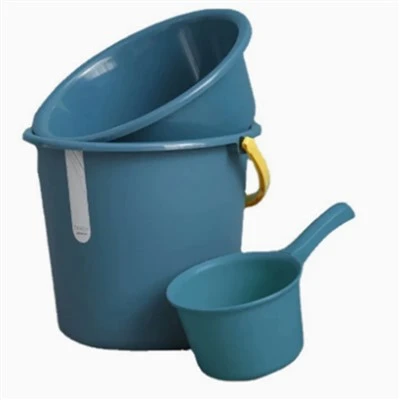
As a supplier of plastic kitchen items, I understand the frustration that comes with seeing your once-clear plastic products turn cloudy over time. Cloudy plastic not only looks unappealing but can also give the impression of poor quality, which is far from the truth when it comes to our high – grade plastic kitchen items. In this blog, I’ll share some effective strategies to prevent plastic kitchen items from getting cloudy. Plastic Kitchen Items
Understanding Why Plastic Gets Cloudy
Before we dive into prevention methods, it’s essential to know what causes the cloudiness in the first place. There are several factors that can lead to this issue:
- Hard Water Deposits: When plastic kitchen items are frequently washed with hard water, minerals like calcium and magnesium can accumulate on the surface. These deposits form a hazy layer, making the plastic look cloudy.
- Scratches: Even minor scratches on the plastic surface can scatter light, resulting in a cloudy appearance. Everyday use, such as scrubbing with abrasive sponges or utensils, can cause these scratches.
- Chemical Reactions: Exposure to certain chemicals, like harsh detergents or acidic foods, can react with the plastic and damage its surface, leading to cloudiness.
- Heat and UV Exposure: Prolonged exposure to high heat or direct sunlight can cause the plastic to degrade. This degradation changes the structure of the plastic, making it look cloudy.
Prevention Strategies
Water Quality Management
- Use Softened Water: If you live in an area with hard water, consider installing a water softener. Softened water has a lower concentration of minerals, reducing the risk of mineral deposits on your plastic kitchen items. When washing your plastic products, the absence of these minerals means they are less likely to become cloudy.
- Rinse with Distilled Water: For an extra – clean finish, rinse your plastic items with distilled water after washing them. Distilled water is free from minerals and other impurities, ensuring that no residues are left behind on the plastic surface.
Proper Cleaning Techniques
- Choose the Right Cleaning Tools: Avoid using abrasive sponges or scouring pads on your plastic kitchen items. Instead, opt for soft microfiber cloths or non – abrasive sponges. These gentle tools can effectively remove dirt and grime without scratching the plastic.
- Use Mild Detergents: Harsh detergents can contain chemicals that react with the plastic and cause cloudiness. Select a mild, dish – safe detergent that is specifically formulated for use on plastic. Dilute the detergent in warm water and use it to gently clean your plastic items.
- Soak Instead of Scrubbing: If your plastic item has stubborn stains, soak it in a solution of warm water and mild detergent. Let it soak for 15 – 20 minutes, which will help loosen the dirt. Then, gently wipe the item clean with a soft cloth or sponge.
Storage and Handling
- Avoid Stacking Roughly: When storing your plastic kitchen items, be careful not to stack them too tightly or roughly. This can cause scratches on the plastic surface. You can use dividers or place a soft cloth between the items to prevent direct contact and scratching.
- Keep Away from Heat and UV: Store your plastic items in a cool, dry place away from direct sunlight and heat sources. High temperatures and UV rays can accelerate the degradation of the plastic, leading to cloudiness. For example, don’t leave plastic containers near the oven or on a sunny windowsill.
Regular Maintenance
- Apply a Protective Coating: There are specially formulated plastic protectants available on the market. These coatings create a thin layer on the plastic surface that acts as a barrier against scratches, chemicals, and UV rays. Follow the manufacturer’s instructions when applying the coating.
- Inspect Regularly: Regularly inspect your plastic kitchen items for any signs of scratches or early cloudiness. If you notice a scratch, take immediate steps to repair it. You can use a plastic repair kit or buff the scratched area gently with a fine – grit sandpaper and then polish it.
Additional Tips for Specific Plastic Kitchen Items
Plastic Containers
- Avoid Overheating: Don’t use plastic containers in the oven or microwave unless they are specifically labeled as microwave – or oven – safe. Overheating can cause the plastic to warp and become cloudy.
- Seal Properly: When storing food in plastic containers, make sure the lids are sealed tightly. This not only keeps the food fresh but also prevents the entry of contaminants that could potentially cause cloudiness.
Plastic Utensils
- Wash Separately: Wash plastic utensils separately from metal utensils to prevent scratching. Metal utensils can leave marks on the plastic surface during the washing process.
- Replace When Worn: Over time, plastic utensils can become worn and scratched. When you notice excessive wear, it’s time to replace them to maintain a clear and hygienic appearance.
Plastic Cutting Boards
- Clean Thoroughly: Since cutting boards come into direct contact with food, clean them thoroughly after each use. Use a mild detergent and warm water, and then sanitize them with a diluted bleach solution. Rinse well and dry completely to prevent the growth of bacteria, which can also contribute to cloudiness.
- Rotate Sides: To evenly distribute the wear and tear, rotate the sides of your plastic cutting board regularly. This helps prevent excessive scratching on one side, which can lead to cloudiness.
In conclusion, preventing plastic kitchen items from getting cloudy requires a combination of proper cleaning, storage, and maintenance practices. By following the strategies outlined in this blog, you can ensure that your plastic kitchen items remain clear, functional, and appealing for a long time.
As a supplier of high – quality plastic kitchen items, we are committed to providing products that not only meet but exceed your expectations. Our range of plastic kitchen items is designed to be durable, easy to clean, and resistant to cloudiness. If you are in the market for plastic kitchen items, whether for your home or business, we would love to have a conversation with you. Reach out to us to discuss your procurement needs and discover how our products can add value to your kitchen.
Plastic Kitchen Items References
Textbooks on plastic materials and their properties
Industry – specific research on plastic product care and maintenance
Manufacturer’s guidelines for cleaning and protecting plastic items
Yongkang Shunjiang Plastic Products Co., Ltd.
As one of the most professional plastic kitchen items manufacturers and suppliers in China, we offer a wide range of products with superior quality. Please feel free to wholesale bulk customized plastic kitchen items from our factory. Also, pricelist is available.
Address: Kangzhuang Road, Xicheng Subdistrict, Yongkang City, Zhejiang Province, China
E-mail: 15158911623@163.com
WebSite: https://www.shunjiangplas.com/
