When it comes to running a printing press, having a reliable commercial water heater is crucial. The printing process often involves tasks that require a consistent supply of hot water, such as cleaning printing equipment, maintaining the humidity in the workspace, and some specific printing techniques that rely on precise water temperatures. As a commercial water heater supplier, I understand the challenges and considerations that come with choosing the right water heater for a printing press. In this blog post, I’ll share some key factors to consider to help you make an informed decision. Commercial Water Heater
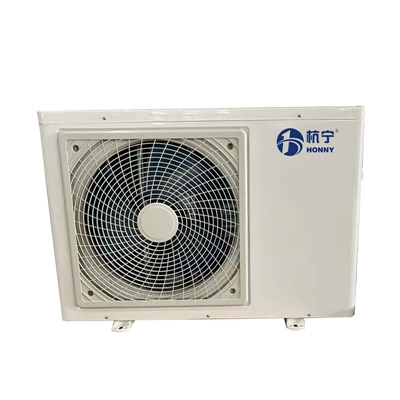
1. Capacity Requirements
One of the first things to determine is the water heater’s capacity. The capacity needed depends on the scale of the printing press operations. A small – scale printing shop with a few machines may have different requirements compared to a large – scale commercial printing facility.
Peak Demand
Calculate the peak demand for hot water in your printing press. This includes the amount of hot water needed simultaneously for various tasks. For example, if you clean multiple printing plates at once, you need to know the water volume required for this process. Consider the number of employees who may use hot water for hand – washing or equipment cleaning at the same time.
Recovery Rate
The recovery rate of a water heater is also important. It refers to how quickly the water heater can heat up a new batch of water after it has been used. A high – recovery water heater is essential for a printing press because the demand for hot water can be sporadic but sometimes very high. If you have a large volume of hot water used during a short period, such as first thing in the morning during a pre – shift equipment cleaning, a water heater with a fast recovery rate will ensure that you have a continuous supply of hot water throughout the day.
2. Energy Efficiency
Energy costs can be a significant part of a printing press’s operating expenses. Therefore, choosing an energy – efficient water heater can save you money in the long run.
Type of Fuel
There are several types of fuel options for commercial water heaters, including natural gas, propane, electricity, and solar. Each has its own advantages and disadvantages in terms of energy efficiency and cost.
- Natural Gas: Natural gas water heaters are generally more energy – efficient than electric ones. They can heat water quickly and are often cost – effective, especially in areas where natural gas is readily available.
- Propane: Propane water heaters are a good option for locations where natural gas is not accessible. They offer similar performance to natural gas water heaters but may be slightly more expensive in terms of fuel costs.
- Electric: Electric water heaters are easy to install and maintain. However, they can be less energy – efficient, especially for large – scale operations, as electricity is often more expensive than gas on a per – unit – energy basis.
- Solar: Solar water heaters are the most environmentally friendly option. They use the sun’s energy to heat water, which can significantly reduce energy costs. However, they may not be suitable for all locations, as they rely on sunlight. In addition, the initial installation cost can be relatively high.
Energy Star Rating
Look for water heaters with an Energy Star rating. These appliances meet strict energy – efficiency guidelines set by the Environmental Protection Agency (EPA) in the United States. An Energy Star – rated water heater can save you up to 10 – 50% on your energy costs compared to non – rated models.
3. Temperature Control
Precise temperature control is essential in a printing press. Different printing processes and equipment may require specific water temperatures.
Adjustable Temperature Settings
Choose a water heater that allows you to adjust the water temperature easily. This flexibility ensures that you can meet the requirements of various tasks in the printing process. For example, some cleaning agents may work best at a specific temperature range, and maintaining the right water temperature can improve the cleaning efficiency.
Temperature Stability
The water heater should also be able to maintain a stable temperature. Fluctuations in water temperature can affect the quality of the printing and the performance of the equipment. A good water heater will have features such as a thermostat and a heat exchanger that work together to keep the water at a consistent temperature.
4. Durability and Maintenance
A commercial water heater for a printing press needs to be durable and require minimal maintenance. Printing presses operate for long hours, and any downtime due to water heater issues can disrupt the production process.
Build Quality
Look for water heaters made from high – quality materials. The tank should be made of corrosion – resistant materials, such as stainless steel or glass – lined steel, to prevent rust and leaks. The heating elements and other components should also be of good quality to ensure long – term performance.
Maintenance Requirements
Consider the maintenance requirements of the water heater. Some water heaters may require regular flushing to remove sediment, while others may need more frequent inspections of the heating elements. Choose a water heater that has a reasonable maintenance schedule and for which replacement parts are readily available.
5. Safety Features
Safety is always a top priority in any commercial environment. A water heater for a printing press should have several safety features.
Pressure Relief Valve
A pressure relief valve is a crucial safety feature. It prevents the water heater from building up too much pressure, which could lead to an explosion. Make sure the water heater you choose has a reliable pressure relief valve.
Temperature – Limit Switch
A temperature – limit switch is designed to cut off the power to the heating element if the water temperature exceeds a certain level. This prevents the water from overheating and reduces the risk of scalding.
6. Size and Space
The size of the water heater is also an important consideration. You need to ensure that the water heater can fit into the available space in your printing press facility.
Physical Dimensions
Measure the available space where you plan to install the water heater. Consider both the height and the footprint of the water heater. Some water heaters are designed to be installed vertically, while others can be installed horizontally or even in a compact corner.
Clearance Requirements
Don’t forget to account for the clearance requirements around the water heater. The manufacturer will usually specify the minimum amount of space needed for proper ventilation, access for maintenance, and safe operation.
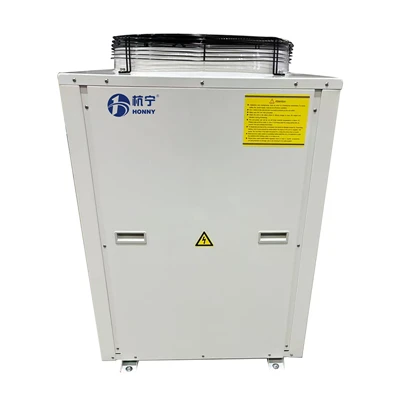
In conclusion, choosing the right commercial water heater for a printing press requires careful consideration of multiple factors, including capacity, energy efficiency, temperature control, durability, safety, and size. As a commercial water heater supplier, I’m here to help you make the best choice for your printing press. Whether you need more information about a specific water heater model, want to discuss your capacity requirements, or have any questions regarding installation and maintenance, I encourage you to reach out to me for a detailed consultation. We can work together to find the most suitable water heater solution that meets your printing press’s unique needs and budget.
Commercial Water Heater References
- Energy Star. (n.d.). Commercial Water Heaters. Retrieved from the official Energy Star website.
- ASHRAE. (2019). HVAC Systems and Equipment Handbook.
Hangzhou Honny Heat Energy Technology Co., Ltd.
We are one of the most experienced commercial water heater manufacturers and suppliers in China. With a professional production team, we are able to meet the needs of the majority of our customers. Please feel free to wholesale customized commercial water heater from our factory. Also, quotation is available.
Address: Dingshan Village, Wenyan Subdistrict, Xiaoshan District, Hangzhou City, Zhejiang Province
E-mail: 524435406@qq.com
WebSite: https://www.hnrnkj.com/
