Hey there, if you’re deep in poly bag agriculture like I am, you know the temperature game isn’t just a “nice-to-have” — it’s the make-or-break for your crops, your yields, and even your bottom line. I’ve been in the poly bag ag supply game for years, chatting with farmers every single day who tell me they’re either overheating their seedlings or chilling their veggies way too much, and they’re not sure how to fix it without blowing their whole budget on weird, complicated gear. Today, I’m pulling back the curtain on exactly how to manage temp in poly bag systems — no jargon, no fancy fluff, just what I’ve learned from working with hundreds of growers and supplying the bags they actually need to pull this off. Poly Bag Agriculture
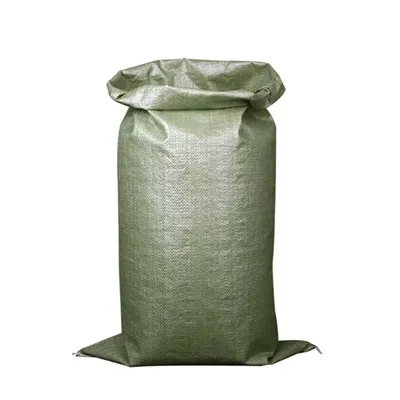
First off, let’s get one thing straight: poly bags aren’t just containers. They’re the first line of defense for your crop’s root zone, which is where most temp issues start. I see so many new farmers grab any old poly bag from the hardware store, stuff it with soil, and wonder why their lettuce is bolting or their tomato roots are rotting. The truth is, the bag itself affects temp way more than you think. Let’s start with that because if you skip this part, all the other tricks won’t work.
Take bag thickness, for example. Thin, flimsy bags (under 1.5 mil) are cheap, but they let heat escape like crazy in the summer and get cold fast at night. I had a customer last year in Arizona swearing his crop was doomed because his thin nursery bags were baking his seedlings — he swapped to our 2 mil UV-stabilized poly bags, and his root zone temp dropped 8 degrees overnight. UV stabilization matters too, by the way. Clear bags might seem like they let in more light, but in hot climates, they can cook roots to 95 degrees (which is a death sentence for most herbs and leafy greens). Black or opaque poly bags, on the other hand, absorb heat during the day but release it slower at night — perfect for cooler areas, but not so great in places where daytime highs already hit 100. We also offer a silver-reflective poly bag option for exactly that: it bounces excess sunlight away so root temps stay steady, even when the sun is beating down. I’ve had greenhouse operators tell me those bags cut their cooling costs by almost 20% last season.
Next, where you place your poly bags is huge. I know it’s tempting to line up rows tight to maximize space, but when you do that, air can’t circulate between the bags. Stagnant air = temp swings, especially in enclosed spaces like greenhouses. I usually tell growers to leave 6 to 12 inches between each bag, depending on the crop. For example, if you’re growing tall tomatoes that will shade neighboring bags, you might need more space — like 12 inches — so the air can move and prevent hot pockets from forming. Outdoors, don’t put your bags on concrete or black asphalt, which absorb way more heat than soil. I had a vegetable farmer in Texas who lost a whole crop of bell peppers because he set his bags on a concrete patio; the concrete heated the bag bottoms to 102 degrees, and the roots just shut down. He shifted them to wooden pallets with a layer of straw in between, and his root temp stabilized at 82 degrees — exactly what peppers need.
Now, let’s talk about watering, because it’s tied directly to temperature. This is where I see so many growers mess up: they either water too little or too much, and both mess with temp. Soil that’s too dry gets hot fast — like, up to 10 degrees higher than moist soil — because dry particles don’t hold heat the same way wet ones do. But overwatering is just as bad, especially in poly bags where excess water can’t drain properly (that’s why drainage holes are non-negotiable). If your roots are sitting in water, they’ll get stressed, and the root zone will stay too cold because the water is evaporating nonstop. I recommend checking soil moisture with a cheap meter (you can get them at any garden store for $10) — aim for a moisture level of 5 to 7 out of 10. For temp, the sweet spot for most crops is 65 to 75 degrees during the day, and no lower than 55 at night for warm-season crops, 45 at night for cool-season stuff.
Another big one: mulch, but not just any mulch. If you’re growing poly bag veggies, you can put organic mulch (straw, wood chips) on top of the soil in the bag — not only does it prevent weeds, but it also regulates temp. In the summer, it keeps the soil from heating up too fast during the day, and in the winter, it insulates it from cold snaps. I worked with a small-scale herb farmer in Oregon last year who was struggling to keep his basil alive through the fall. He added a 2-inch layer of straw mulch to his poly bags, and his night root temp jumped 6 degrees, so he didn’t lose a single basil plant. For outdoor growers, black plastic mulch (not the bag, separate) works in cool climates because it absorbs heat, but in hot areas, white mulch is better to reflect sun.
Wait, what about when you’re dealing with extreme temps? Like a heatwave or a surprise frost? That’s when you need quick fixes, and they don’t have to cost a fortune. For heatwaves, I’ve seen growers use shade cloth draped over their rows, but make sure the shade cloth is the right density — 30% shade for leafy greens, 50% for tomatoes and peppers. Too much shade, and you’ll get leggy plants. Also, misting the area around the bags, not the leaves directly, can lower the air temp by 5 to 10 degrees. But don’t overdo misting — we talked about drainage, right? For frost, if you’re growing in poly bags outdoors, you can drape frost cloth or even old bed sheets over the rows at night, and take them down during the day so plants get light. I had a customer in Florida who lost 30% of his cabbage crop to a random frost a couple years ago; he now keeps a stack of our lightweight frost cloth on hand, and last winter he lost less than 5%.
One thing I always emphasize to growers is that poly bag temp management isn’t one-size-fits-all. What works for tomatoes in a greenhouse in California won’t work for lettuce in a backyard setup in New York. That’s why part of my job as a supplier isn’t just to sell you poly bags — it’s to chat with you about your crop, your location, your setup, and point you toward the bags and accessories that will work best. For example, if you’re doing hydroponic poly bag growing (super popular for melons and cucumbers now), you need different bags than soil growing — thicker, with better drainage and UV resistance because they sit outside longer. I’ve had hydro growers tell me switching to our hydro-specific poly bags cut their root temp fluctuations by half.
Also, let’s not forget about monitoring tools. You don’t need a fancy $1,000 sensor system (though if you have the budget, go for it). A basic thermometer that you stick in the root zone (not just the air temp) is enough for most small to mid-sized operations. I keep a few of these on hand to give to new customers, because when you can actually see what the temp is, you stop guessing. Last month, a new lettuce farmer came to me saying his leaves were turning yellow, and he thought it was a nutrient issue. He stuck a thermometer in his bag and found the root zone was 90 degrees — he adjusted his watering and swapped to our reflective silver bags, and his lettuce was back to normal in two weeks.
Wait, common mistake alert: mixing crops with different temp needs in the same row. I see this all the time. Lettuce likes 60 to 70 degrees, tomatoes like 70 to 85. If you put them in the same poly bag row, the tomatoes will make the area too hot for the lettuce, and the lettuce will cool the area down too much for the tomatoes. Separate them, or if you have to group, put taller crops (tomatoes, peppers) on the north side so they don’t shade the shorter crops (lettuce, herbs) too much, which would lower their temp. That tiny adjustment made a huge difference for a customer in Colorado who was growing a mix of crops in his greenhouse.
And what about recycling poly bags after use? A lot of growers don’t think about this, but old poly bags left out in the sun can break down and release chemicals, plus they don’t insulate as well once they’re stretched or faded. I always tell my customers to use our durable, recyclable poly bags — we work with a plant that takes back old bags and repurposes them into new ones, so you’re not just wasting plastic, you’re getting consistent performance out of your bags every season. I had one customer who used his poly bags for three years straight with no issues, as long as he stored them properly (in a cool, dry place, not out in the sun all winter). Storage might seem small, but if you keep your bags in a garage that drops to 30 degrees in the winter, they’ll get brittle and won’t hold up to temp swings.
Look, I get it — managing temperature in poly bag agriculture can feel overwhelming at first. There’s so much to think about: the bag itself, placement, watering, mulch, extreme weather, crop types. But it’s not rocket science. Start with the basics: pick the right poly bag for your crop and climate, space them out, keep the root zone moist but not soggy, and monitor temp with a cheap thermometer. Adjust as you go — that’s how you figure out what works for your specific setup.

And hey, if you’re stuck? I’m here. I’ve spent years working with growers, testing different bags and setups, and I can help you troubleshoot whatever temp issues you’re having. Whether you’re a small backyard grower just starting out or a commercial operation looking to boost yields, we’ve got the poly bags and tips to make temp management way less stressful. Feel free to reach out to chat through your needs — I’m happy to help.
Printed Food Bags References
- Agricultural Polyethylene: Properties, Applications, and Sustainability, Routledge, 2021
- Root Zone Temperature Regulation for Horticultural Crops, Journal of Applied Horticulture, Vol. 22, No. 2, 2020
- Efficient Climate Control for Container-Grown Plants, Acta Horticulturae, No. 1267, 2019
- UV-Stabilized Poly Bags for Outdoor Agriculture: Performance and Longevity, Agricultural Engineering International: CIGR Journal, Vol. 23, No. 3, 2021
- Water Management in Container Agriculture: Impacts on Root Zone Temperature, HortTechnology, Vol. 30, No. 4, 2020
Liaoning Xunlian Packaging Products Co., Ltd.
Liaoning Xunlian Packaging Products Co., Ltd. is one of the most professional poly bag agriculture manufacturers and suppliers in China, featured by quality products and good service. Welcome to wholesale CE approved poly bag agriculture made in China here and get quotation from our factory. Customized orders are welcome.
Address: Chaoyang Industrial Park, Kangping, Shenyang, Liaoning, China.
E-mail: info@xunlianpack.com
WebSite: https://www.xunlianpack.com/
