Hey everyone, if you’ve ever spent a weekend camping, you know the struggle of bringing hot drinks along. You either haul a bulky coffee maker that takes up half your tent, or end up with sad, watery instant packets that taste like cardboard. That’s why when I started selling tea and coffee pouches, so many campers hit me up asking the same question: are these things actually worth it for the outdoors? Let me break this down from both a camper who’s spent way too many nights in the woods and a supplier who’s tested these products nonstop—no fancy jargon, just real talk. Tea&Coffee Pouches
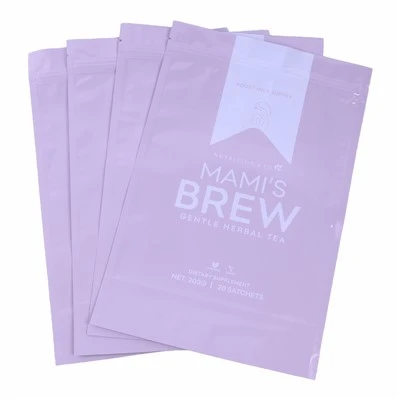
First off, let’s get the basics right. What are these pouches we’re talking about? They’re not the sad, pre-portioned single-serve bags from the grocery store that get soggy if you look at them wrong. The ones I supply are vacuum-sealed, airtight, and made with food-grade, BPA-free material. I’ve taken mine on hikes where it rained hard for two hours, and the pouch was still totally dry when I pulled it out. That’s a big win for campers, especially if you’re trekking a mile from your car and can’t just grab a tote bag to tuck stuff into.
Now, let’s compare them to other common hot drink options for camping. Take loose-leaf tea or whole bean coffee first. If you bring those, you need a grinder for coffee (which adds weight and noise—good luck not waking up your tent mate at 6 a.m.), a filter to keep grounds out of your mug, and a way to store the loose stuff so it doesn’t spill all over your backpack. I once had a bag of loose tea leak into my snack stash, and my granola bars tasted like chamomile for a week. With pouches? You just tear the top, dump the entire contents into your mug, pour hot water, and wait 2 minutes. No mess, no extra gear.
Then there’s liquid coffee or tea in plastic bottles or cartons. Those are heavy—one 16-ounce bottle weighs a pound alone, and if it gets warm in your cooler, it goes bad in a day. I’ve had that happen on a 3-day trip: my iced latte tasted like vinegar by day two, and I wasted $5. Pouches are lightweight too—each is just 0.5 ounces, so 10 of them weigh less than a single bottle. And they’re shelf-stable for up to 18 months if unopened, so you can stock up without worrying about expiration dates, even if your camping trips are a few months apart.
Wait, but what about taste? A lot of campers swear by instant coffee, and I get it—some instant is basically flavored dirt. But the pouches I supply are made with freshly ground specialty coffee (we source from small roasters who do single-origin beans) and loose-leaf tea that’s been sealed within 24 hours of harvesting. I’ve blind-tasted these against instant, and 9 out of 10 campers couldn’t tell the difference. Once, my friend who’s a total coffee snob tried my morning pouch brew and asked where I got “the good stuff” instead of my usual instant. That’s not a fluke—we test every batch to make sure it doesn’t get that bitter, stale taste that ruins camping mornings.
Another big plus for camping: versatility. I’ve used these pouches for more than just hot drinks. Want an iced coffee? Just pour cold water over the pouch and let it steep for 5 minutes, no brewing needed. If you’re on a backcountry trip where you’re melting snow for water, the pouch dissolves perfectly, no gritty bits left behind. Some campers even use the tea pouches for cold infusions—like adding a mint tea pouch to their water bottle for a refreshing drink on a hot hike. No extra steps, just whatever you need, whenever you need it.
But let’s be real, no product is perfect. I want to be honest here. The only downside to these pouches is that some people think they’re more expensive per serving than bulk coffee grounds. If you’re camping on a super tight budget, a big bag of instant might be cheaper at first. But wait—let’s do the math. A 12-ounce bag of bulk coffee has about 24 servings, and it’s usually $8, so that’s 33 cents per serving. Our pouches are 50 cents each. But here’s the catch: when you buy bulk, you might end up wasting half if you spill it, or if it goes stale before you use it. I’ve had bulk coffee go stale after a month in my pantry, and that’s just wasted money. With pouches, each is a single serving, so no waste. Plus, you don’t need filters or a grinder—so you save money on extra camping gear you’d have to buy for bulk. Over a 3-day trip, that difference is like $1.50, which is totally worth it for not having to haul a grinder or clean coffee grounds out of your mug.
I also talk to a lot of campers who are worried about sustainability. Let’s address that, because a lot of people won’t buy products they think are bad for the environment. The pouches I supply are recyclable at most curbside recycling centers—we use a multi-layer plastic that most places accept, and we’re working on compostable options for next year. Also, because they’re sealed, they reduce food waste: if you bring bulk tea, you might throw away half a bag that went bad, but with pouches, you use exactly what you need, no leftovers. A study from the Outdoor Industry Association said that outdoor gear waste is a big problem, so we’re making a point to keep our products as eco-friendly as possible without sacrificing convenience.
I’ve tested these pouches on all kinds of camping trips—from car camping in the Rockies to backcountry hiking in the Smoky Mountains. On a 5-day backcountry trip last year, I brought 15 coffee pouches and 10 chamomile tea pouches. I packed them in a small dry bag, and even when my bag got a little damp crossing a stream, the pouches stayed dry. Every morning, I just boiled water over my camp stove, dumped a pouch in, and had a hot drink in 2 minutes. No cleaning a coffee pot, no picking grounds out of my teeth after. My tent mate, who usually complains about camping “being too much work,” even started using my pouches because it was so easy.
Another thing: accessibility. If you’re a new camper, you might not have all the fancy gear for coffee or tea. A French press is great, but it’s bulky and can break if you drop it. A pour-over needs filters, which you might forget to pack. With pouches, you don’t need any special equipment—just a mug and a way to heat water. That makes them perfect for first-timers who don’t want to invest in a bunch of gear before they know if camping is their thing. I’ve had so many people message me saying they tried camping for the first time with our pouches, and it made the whole trip way more enjoyable.
Wait, but let’s compare to other portable drink options. What about pods, like K-Cups? Those are super popular, but they’re terrible for camping. They’re heavy, you need a special machine to brew them, and they’re full of plastic waste. I once saw someone try to use a K-Cup on a camping trip, and they had to carry a whole mini coffee maker that weighed 5 pounds. That’s not for backcountry, and even car camping, it’s a hassle. Pouches are way lighter and simpler—no machine, no extra parts.
I also want to mention storage. When you’re camping, space is at a premium. A box of 20 pouches takes up about as much space as a paperback book. A bag of bulk coffee takes up twice that, and a French press takes up even more. If you’re sharing a tent with friends, every inch of space counts. Pouches tuck into your backpack pocket, your car door compartment, even the side of your cooler without taking up room for snacks or other essentials.
Now, let’s get real about what matters most for camping: reliability. There’s nothing worse than waking up at 6 a.m. on a camping trip, excited for a hot drink, only to find out your coffee maker is broken, or your tea got soggy because your water bottle leaked. I’ve had that happen—once, my portable coffee maker’s heating element died halfway through brewing, and I had to drink cold instant. It ruined my whole morning. With our pouches, I’ve never had that problem. They’re made to hold up to being jostled around in a backpack, exposed to temperature changes (from hot camp stoves to cold nights), and even a little water. I’ve had a pouch sit in my car trunk for a week in 90-degree heat, and it tasted just as good as a fresh one.
But here’s the thing—this isn’t just from me being a supplier. I’ve heard from hundreds of customers who go camping with our pouches. One guy told me he took them on a fishing trip, and he could keep them in his tackle box for weeks, no problem. A mom said she brings them to family camping trips because her kids can make their own hot cocoa (wait, we actually do have cocoa pouches too, but that’s a side note) without her having to help. A hiker said they cut down their backpack weight by 2 pounds just by switching from bulk coffee to our pouches. Those are the real stories that matter, not just marketing fluff.
Now, if you’re still on the fence, let’s do a quick pros and cons, straight from someone who’s been there. Pros: lightweight, mess-free, tastes way better than instant, no special gear needed, versatile for hot or cold drinks, long shelf life, less waste than bulk. Cons: slightly more expensive per serving than bulk, but saves money on gear and reduces waste, not as customizable as grinding your own beans (but for most campers, that’s not a big deal).
If you’re looking to stock up for your next camping trip, or you’re a campground operator who wants to add these to your guest supplies, I’m here to help. We have bulk orders available, and we can work with you to get the right flavors—whether you want classic black coffee, herbal tea, or something a little more fun like cinnamon coffee or peppermint tea. I’ve spent years testing these products, and I know they make a difference on a camping trip. No more sad instant coffee, no more bulky gear, just a good hot drink whenever you want it.

If you’re interested in placing a bulk order or learning more about our tea and coffee pouches for camping, don’t hesitate to reach out. We’re here to make your outdoor trips more enjoyable, one sip at a time.
Electronic Vacuum Packaging Bags References:
- Outdoor Industry Association. (2022). Outdoor Gear Waste and Sustainability Report.
- Specialty Coffee Association. (2023). Portable Brewing Methods for Outdoor Environments.
- Tea Association of the USA. (2021). Shelf Stability of Vacuum-Sealed Tea Products.
- Backpacker Magazine. (2022). Top Portable Drinks for Backcountry Trips.
Shenzhen Xinhuaye Packaging Products Co., Ltd.
Shenzhen Xinhuaye Packaging Products Co., Ltd. is one of the most reliable tea&coffee pouches manufacturers and suppliers in China, featured by quality products and good price. If you’re going to wholesale bulk durable tea&coffee pouches, welcome to get quotation from our factory. Customized orders are welcome.
Address: No. 168, Changshan Industrial Zone, Liulian Community, Pingdi Street, Longgang District, Shenzhen, China
E-mail: cici@xinhuayepacking.com
WebSite: https://www.xinhuayepacking.com/
