If you’ve ever priced monocrystalline solar panels for your home, business, or solar farm, you’ve probably stumbled across a question that pops up in every forum, chat, or quote request: Are monocrystalline solar panels waterproof? As a supplier who’s worked with installers, homeowners, and small business owners for nearly a decade, I get asked this at least once a week. For years, I thought the answer was straightforward—until I started digging into the fine print of testing standards, field data, and the common myths that keep customers up at night. Let’s break this down, no jargon, no sales fluff, just what actually keeps panels working when the rain, snow, or even a heavy hailstorm hits. Monocrystalline Solar Panels

First, let’s start with what monocrystalline panels are at their core, because that’s where the waterproofing begins. Unlike polycrystalline panels, which use multiple silicon fragments melted together, monocrystalline panels are cut from a single, pure silicon ingot. That purer silicon makes them more efficient, to the tune of 20-22% on average, versus 15-18% for polycrystalline. But that same structure doesn’t make them waterproof on its own—if you left a raw silicon wafer out in the rain, it’d corrode within weeks, right? So every panel has a protective barrier, and that’s where the real story of waterproofing lives.
The main part of that barrier is the glass on the front of the panel. Almost every monocrystalline panel on the market uses low-iron tempered glass. Tempered glass is heated to super high temperatures and then cooled quickly, which makes it way stronger than regular glass—about four to five times more impact-resistant. Low-iron is key here because regular glass has a green tint that blocks a little bit of sunlight, which cuts into your panel’s power output. That glass isn’t just for impact, though. It’s sealed around the edges and back with a material called ethylene vinyl acetate, or EVA. EVA is a clear, polymer film that acts like a glue and a sealant, holding the solar cells in place between the glass and the back sheet, and creating a water-tight barrier between the sensitive silicon cells and the outside elements.
Wait, but here’s the part most customers don’t know: the back of the panel isn’t glass. It’s a polymer backsheet, usually made of a three-layer material called Tedlar. Tedlar is a polyvinyl fluoride (PVF) film that’s designed to resist moisture, UV damage, and temperature fluctuations. The edges of the panel are sealed with aluminum or plastic frames, right? Those frames are usually made of anodized aluminum, which is corrosion-resistant, and they have rubber gaskets along the inside edge where they meet the glass. The whole assembly is put together in a cleanroom, so there’s no gap left that water can seep through. That’s the structure, but how do we know it actually works? The testing standards are rigorous.
In the solar industry, there are two main international testing standards that every reputable monocrystalline panel has to pass to be sold in North America, Europe, or most other parts of the world: IEC 61215 and IEC 61730. Let’s talk about the waterproofing part of these tests, because they’re not just a quick spray with a hose. The water immersion test, for example, requires panels to be submerged in water for 24 hours at a depth of 10 centimeters, with a temperature difference of 10 degrees Celsius between the water and the panel. After that, they have to operate at 95% of their original power output, no electrical shorts, no leaks, no corrosion. Another test is the rain test, where panels are blasted with water at a rate of 100 liters per square meter per hour for 10 minutes, at angles up to 85 degrees (so almost sideways rain). That’s equivalent to a heavy thunderstorm, and panels have to keep working through that. I’ve seen the test footage—panels are submerged in tanks for days, pulled out, and hooked up to power meters, and not a single one fails if it’s been properly manufactured.
But here’s where the real-world data matters more than lab tests, because I’ve seen panels in places where the rain is so heavy it’s hard to stand outside, and panels still work fine. Last year, we supplied a 50-kilowatt monocrystalline system to a small farm in the Pacific Northwest, which gets more than 150 inches of rain a year. The farm’s manager told me that last winter, during a week of non-stop rain and wind, the system only shut down for an hour when a tree limb took out a power line. The panels themselves never missed a beat. I also had a customer in Florida, where hurricanes bring torrential rain, storm surges, and even saltwater—salt is way more corrosive than fresh rain, right? That customer has had their system for three years, and they’ve never had to replace a panel due to water damage. That’s not an accident; that’s the result of the sealing and testing that goes into every good monocrystalline panel.
Now, let’s bust some common myths, because I hear these all the time, and they keep people from buying panels even when they’re perfect for their home or business. The first myth: if a panel cracks, it’s no longer waterproof. That’s half true. If the crack is only in the tempered glass on the front, and it’s a small surface crack that doesn’t go all the way through, it’s usually still waterproof. But if the crack penetrates all the way through the glass, or goes through the EVA seal, that’s a problem. Water can get in, corrode the cells, and cause a short circuit. That’s why installers are trained to check for even tiny cracks during maintenance, and manufacturers usually offer warranties that cover defective panels, not just damage from installation or hail. The second myth: you don’t need to seal the panels after installation. No, the frames and seals are already part of the panel when it leaves the factory. A good installer will make sure the mounts are angled correctly to let water run off, but they don’t add any additional sealant to the panels themselves. That’s a waste of money, because the panels are already designed to handle water. The third myth: monocrystalline panels are less waterproof than other types. That’s not true at all. The testing standards apply to all panels, regardless of whether they’re monocrystalline, polycrystalline, or thin-film. But monocrystalline panels are often installed in places where efficiency matters more than cost—like rooftops where space is limited, or solar farms where you need as much power as possible per acre—so people assume they’re more delicate, but that’s just a misunderstanding.
Wait, but what about low-quality panels? Because not all panels on the market are made the same. I’ve seen cheap monocrystalline panels that skip some of the testing, use lower-quality EVA or backsheet, and cut corners on sealing. Those are the ones that can have water issues. A few years ago, we had a customer who bought a really cheap set of panels online from a no-name brand, and after two years, half of them had water inside the glass, making them look foggy and reducing their power output. When we looked at their test reports, they never passed the IEC standards—they only passed some random local test that didn’t check for water resistance. That’s the key: if you buy panels from a reputable supplier, they will have the official IEC and UL (or CE, depending on your region) testing certifications for waterproofing. If you’re getting a quote that seems too good to be true, that’s usually why—they cut corners on the parts that keep panels waterproof.
So what happens if water does get into a panel? In most cases, it’s a sign of a defective panel, not a normal wear and tear issue. When water gets in, it can cause corrosion of the solder connections between the solar cells, which reduces power output, and eventually, it can cause a short circuit that makes the panel stop working entirely. In rare cases, water can cause electrical issues that affect the whole system, which is why it’s important to work with an installer who checks panels during setup and does regular maintenance inspections. But again, that’s not something you have to worry about with properly manufactured monocrystalline panels.
Let’s also talk about something people don’t often think about: snow. Snow is water, right? A lot of customers in cold climates ask if monocrystalline panels can handle being covered in snow for weeks at a time. The short answer is yes, because the panels are waterproof, so melting snow can run off the back and sides, and even if a little seeps in, the design can handle it. The tempered glass is strong enough to support the weight of snow, and the seals keep moisture from getting trapped and causing damage. We’ve had systems in Minnesota, where winter snow loads can be 50 pounds per square foot, and those panels have worked fine for years. The only time snow is a problem is if it’s sliding off a roof and hitting the panels, which is why installers will often add snow guards to prevent that.
Now, let’s get back to why this matters for you, whether you’re a homeowner looking to add solar panels to your roof, a small business owner powering your warehouse, or a developer building a solar farm. Monocrystalline panels are an investment—they last 25 to 30 years, and they save you money on electricity bills for decades. The last thing you want is to have to replace panels because they got damaged by water, which is why buying from a reputable supplier is non-negotiable. We don’t cut corners on our panels; every one of our monocrystalline panels passes the same rigorous waterproofing tests, and we offer 25-year performance warranties that cover defects and power output.
If you’re still wondering about your specific situation: do you live in a place with heavy rain, snow, or even salt air near the ocean? Our monocrystalline panels are rated for coastal use, with extra corrosion-resistant frames that can handle saltwater exposure. Do you have a small rooftop where every square foot counts? Our high-efficiency monocrystalline panels fit more power into less space, and they’re just as waterproof as larger panels. Do you own a farm or a warehouse with a large open space for a solar system? We can customize systems for any size, with panels that are tested to handle even the harshest weather.
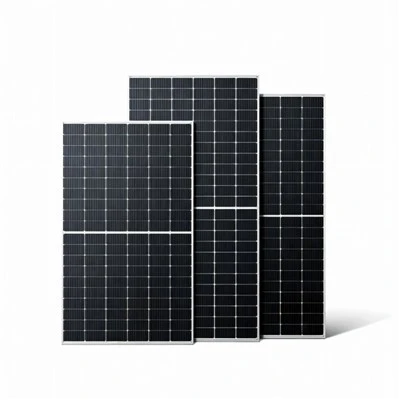
If you’ve been researching monocrystalline solar panels and still have questions about waterproofing, or if you’re ready to get a quote for your next solar project, we can help. We’ve worked with hundreds of installers, homeowners, and business owners across the country, and we know how to match the right panels to your climate, space, and budget. Our team will walk you through everything from testing standards to installation tips, so you can feel confident that your solar system will work for decades, no matter how much rain, snow, or wind comes its way.
Monocrystalline Solar Panels References
International Electrotechnical Commission. IEC 61215: Terrestrial photovoltaic (PV) modules – Design qualification and type approval.
International Electrotechnical Commission. IEC 61730: Photovoltaic (PV) module safety qualification.
Solar Energy Industries Association. (2022). PV Module Performance and Durability Report.
U.S. Department of Energy. (2023). Solar Panel Durability and Weather Resistance Guide.
Dongguan MylAn International Trade Co., Ltd.
As one of the most professional monocrystalline solar panels manufacturers and suppliers in China, we’re featured by quality products and good price. Please rest assured to buy advanced monocrystalline solar panels in stock here from our factory. Welcome to contact us for pricelist.
Address: Room 401, Building 5, No.7, Machong Section, Shuixiang Avenue, Machong Town, Dongguan City, Guangdong Province
E-mail: salee@mylansolar.com
WebSite: https://www.mylansolar.com/
