If you’ve ever spent time around hydraulic systems—whether in construction, manufacturing, agriculture, or even commercial vehicle repair—you’ve probably seen a tiny, unassuming component tucked into the end of a hose port, valve, or cylinder port and assumed it was just a “cap” or a “plug.” But if you’re dealing with leaks, system contamination, or downtime, that tiny part is actually a hydraulic fitting plug, and choosing the wrong one can turn a minor issue into a major headache. As a hydraulic plug supplier who’s spent over a decade working directly with mechanics, plant managers, and equipment operators, I’ve seen firsthand how misunderstood these small parts are—and how critical they are to keeping a hydraulic system running smoothly. Hydraulic Plug
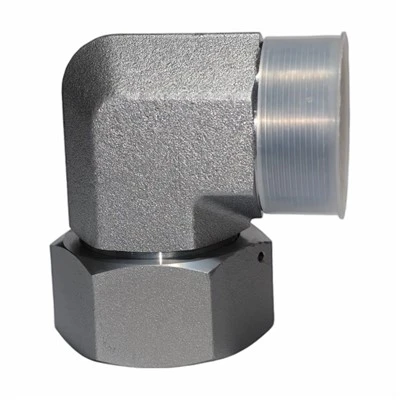
Let’s start with the basics: what exactly is a hydraulic fitting plug? At its core, it’s a precision-engineered, threaded device designed to seal the open end of a hydraulic fitting, port, or hose when it’s not connected to another component. Its primary jobs are twofold: first, to block fluid from leaking out of the system during assembly, maintenance, or storage, and second, to keep contaminants like dirt, dust, water, and metal shavings out of the system’s internal parts. Unlike a standard plastic bottle cap, a hydraulic plug isn’t just a generic seal—it’s built to handle the extreme pressure, temperature fluctuations, and harsh environments that hydraulic systems operate in every day.
To understand why that matters, you need to know a little about how hydraulic systems work. Hydraulics run on pressurized fluid—usually oil—that transfers force to power everything from a bulldozer’s lift arm to a factory’s assembly line robot. Even a tiny speck of dirt as small as a grain of sand can act like sandpaper inside a hydraulic pump, valve, or cylinder, wearing down seals and causing leaks that lead to thousands of dollars in downtime. A single pinhole leak in a hose can also waste gallons of fluid per hour, not only increasing operational costs but creating safety hazards like slippery floors or exposed pressurized lines that can injure workers. That’s where a properly chosen hydraulic plug comes in: it’s the first line of defense against both leaks and contamination, protecting the system when ports are open or components are in transit.
Not all hydraulic plugs are the same, though. The right plug for a 3,000 psi construction hose won’t work for a 10,000 psi industrial valve, and the plug that works in dry, temperate climates will fail in coastal environments with high salt exposure. As a supplier, I’ve learned that the biggest mistake people make is treating hydraulic plugs like a commodity—grabbing whatever off-the-shelf part is cheap and calling it a day. Let’s break down the key types of hydraulic plugs, how they differ, and when to use each one, because choosing correctly can save you far more than the cost of a quality plug.
First, there are pipe thread plugs, the most common type you’ll find in general hydraulic applications. These use tapered threads (either NPT, National Pipe Thread, or BSPP, British Standard Pipe Parallel) that create a metal-to-metal seal when tightened, usually with a wrench. NPT plugs are ubiquitous in North American equipment, while BSPP is standard in Europe and Asia. The big thing to remember here: always match the thread type and size to your port. An NPT plug won’t screw into a BSPP port, and even a half-thread difference can lead to leaks that show up after the system is pressurized, when you’re hundreds of feet from your parts bin. I’ve had a customer drive 45 minutes to our warehouse once because he grabbed a 1/2” NPT plug instead of a 3/8” one for a excavator’s swing motor port—simple mix-up that cost him two hours of downtime.
Next, there are O-ring face seal (ORFS) plugs, which are designed for higher-pressure applications (typically 5,000 psi and up) where a tapered thread alone won’t hold a reliable seal. These plugs have a recessed O-ring made of nitrile, Viton, or other rubber compounds that creates a pressure-tight seal when the plug is tightened against the port’s flat face. ORFS plugs are popular in industrial machinery, off-highway equipment, and aerospace hydraulic systems because they resist leaks even under extreme vibration and temperature changes. A lot of mechanics prefer these because they don’t need thread sealant (though some still use a light coat to prevent seizing), making them faster to install and remove during maintenance. I’ve also seen these plugs hold up in extreme cold—our Viton O-ring ORFS plugs have customers in northern Canada say they never crack, even in temperatures below -40°F, which is a big deal for hydraulic systems that struggle to operate in frigid conditions.
Then there are push-to-connect plugs, mostly used for temporary sealing during assembly or storage, like when a hose is cut and needs to be capped before a fitting is installed. These are plastic or metal plugs that snap into the end of a port without threading, making them quick to install but not designed for long-term use under pressure. I always warn customers not to use push-to-connect plugs as permanent seals—they’ll blow out under pressure, leading to messy, expensive leaks. But for a weekend project where you’re waiting for a custom hose to arrive, they’re a great, low-cost option.
Finally, there are specialty hydraulic plugs, designed for specific environments or applications. For coastal or saltwater operations, we offer stainless steel plugs that resist corrosion far better than standard steel or brass plugs. For high-temperature systems (like those in metal stamping plants), we have Viton or PTFE-sealed plugs that can handle temperatures up to 500°F, without the rubber hardening or failing. There are even magnetic hydraulic plugs, which are used in low-pressure return lines to catch metal shavings that escape other filters—these are a game-changer for plants doing routine maintenance, as they let you spot internal component wear before it turns into a catastrophic failure.
Now, you might be wondering: why go with a specialized supplier for hydraulic plugs, instead of buying them from a hardware store or a general industrial parts catalog? The answer is simple: quality and consistency. A hydraulic plug that’s made to industry standards (like SAE J1926 for ORFS plugs, or ASME B1.20.1 for NPT) will have precise thread tolerances, durable materials, and a perfect seal every time. A cheap, off-brand plug might have threads that are slightly mis-cut, leading to leaks, or a rubber O-ring that’s too thin, which cracks after a few uses.
I’ve had a customer a few years back who was buying generic hydraulic plugs online for his 100-ton press. He kept having to shut down production every two weeks to fix leaks in the cylinder ports—turns out the plugs he was buying had O-rings made of low-cost rubber that broke down under the press’s oil and high temperature. When he switched to our Viton-sealed specialty plugs, he went 18 months without a leak. That’s the kind of difference a quality plug makes: not just saving you from downtime, but protecting your investment in expensive hydraulic equipment.
Another big factor is compliance. Many modern hydraulic systems, especially those in construction, agriculture, or aerospace, are required to meet specific industry standards for contamination control. For example, ISO 4406 sets limits on how much particulate matter is allowed in hydraulic fluid. Using a proper hydraulic plug during assembly or storage ensures you don’t introduce extra contaminants that would make your fluid exceed those limits, keeping you in compliance with regulations and avoiding costly fines or equipment damage.
I also want to talk about a common misconception: hydraulic plugs are only for new systems. That’s not true—they’re just as important for maintenance and repair. When you’re replacing a hydraulic hose, you’ll often open multiple ports on the pump, valve, and cylinder. Leaving those ports open for even an hour can let in enough dirt to contaminate the entire system, requiring you to flush the fluid, replace filters, and possibly repair damaged components. Keeping a set of the right hydraulic plugs in your toolbox means you can cap every port as soon as you open it, keeping your system clean and your maintenance costs low.
So, what should you look for when buying hydraulic plugs? First, know your application: what’s the pressure rating, temperature range, and environment your system operates in? Do you need a permanent seal, or a temporary one for assembly? Second, match the thread type and size exactly. Don’t guess—measure your port, or check your equipment’s manual to confirm. Third, choose a supplier that offers certified, standard-compliant parts. Avoid cheap, unbranded plugs—pay a little more upfront, and you’ll save a lot later. Finally, keep a variety of plugs on hand: NPT, BSPP, ORFS, and specialty ones for different environments, so you never have to scramble for a plug when you’re in the middle of a repair.
At the end of the day, hydraulic fittings plugs might be one of the smallest components in your hydraulic system, but they’re one of the most critical. A bad seal can turn a routine maintenance stop into a full system overhaul, costing thousands of dollars in lost production and repairs. A good plug protects your equipment, reduces waste, and keeps your team safe.
If you’re tired of dealing with leaky ports, contaminated fluid, or generic plugs that just don’t hold up, we’re here to help. We carry a full range of hydraulic fitting plugs, from standard NPT and BSPP plugs to high-pressure ORFS, corrosion-resistant stainless steel, and specialty magnetic plugs. Our team has decades of experience working with mechanics, plant managers, and equipment operators, so we can help you find exactly the right plug for your application, no matter how big or small.

Whether you need a few plugs for a weekend repair, or a bulk order for a large industrial fleet, we’re ready to work with you to find a solution that fits your needs and your budget. Reach out to our team today to discuss your requirements and get a quote.
Hydraulic Fittings References
Hydraulic Institute. (2020). Hydraulic System Contamination Control Standards.
SAE International. (2019). Standard for Hydraulic Fitting Plugs (SAE J1926).
ASME International. (2018). Standard for Pipe Threads for Hydraulic Applications (ASME B1.20.1).
Parker Hannifin Corporation. (2021). Hydraulic Fitting and Component Selection Guide.
Yuyao Huiqiang Fluid Connectors Co., Ltd.
With abundant experience, we are one of the most professional hydraulic plug manufacturers and suppliers in China. Please feel free to wholesale cheap hydraulic plug in stock here from our factory. All customized products are with high quality and low price.
Address: No.102, Wenwei Road, Zhangting Town, Yuyao City, Ningbo City, Zhejiang Province
E-mail: huiqiangliuti@163.com
WebSite: https://www.huiqiang-fitting.com/
