Hey there! I’m a supplier of raised false flooring, and I often get asked if it’s possible to install raised false flooring in a mobile home. Well, let’s dive right into this topic and figure it all out. Raised False Flooring
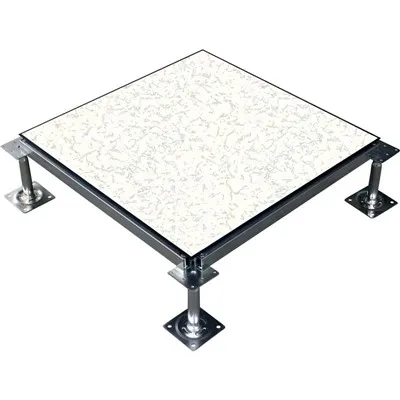
First off, what exactly is raised false flooring? It’s a type of flooring system that sits above the existing floor. It creates a void between the two floors, which can be used for all sorts of things like hiding electrical wires, plumbing pipes, or just to improve the overall insulation of the space. It gives you a lot of flexibility and can really enhance the functionality and look of a room.
Now, can you install it in a mobile home? The answer is yes, you can, but there are a bunch of things you need to think about.
Structural Considerations
One of the biggest concerns when it comes to installing raised false flooring in a mobile home is the structure. Mobile homes have a different structure compared to traditional houses. They’re usually built on a steel frame or a chassis, and the floors are designed to support a certain amount of weight.
Raised false flooring adds extra weight to the floor. You’ve got the weight of the flooring panels themselves, plus any equipment or furniture that’ll go on top of it. So, before you start installing, you need to check if your mobile home can handle the additional load. You might want to consult with a professional structural engineer. They can take a look at your mobile home’s specs and tell you if it’s safe to install the raised false floor.
Another thing to keep in mind is the height. Mobile homes have limited headroom compared to regular houses. When you install raised false flooring, it’ll raise the floor level, which means you’ll have even less headroom. You need to make sure that the height increase is manageable and doesn’t make the space feel cramped or violate any safety codes.
Compatibility with the Existing Floor
The existing floor in a mobile home can be made of different materials like plywood, vinyl, or linoleum. The type of material can affect the installation process of the raised false flooring.
If your existing floor is not level, it can cause problems for the raised false flooring. Uneven floors can lead to an unstable structure, and the flooring panels might not fit properly. You may need to level the existing floor before installing the raised false floor. There are different ways to do this, like using self – leveling compounds or shims.
Also, the surface texture of the existing floor matters. A smooth surface is generally better for installing the support legs or pedestals of the raised false flooring. If the surface is too rough or has a lot of bumps, it can make it difficult to get a stable installation.
Electrical and Plumbing Issues
Remember I mentioned that one of the benefits of raised false flooring is that you can hide electrical wires and plumbing pipes? Well, in a mobile home, these systems are already in place.
Before you start, you need to find out where all the electrical wires and plumbing pipes are located. You don’t want to accidentally damage them during the installation process. If you plan to reroute or add new electrical or plumbing systems in the void created by the raised false floor, you need to follow all the local electrical and plumbing codes. This might require getting some permits, so it’s a good idea to check with your local authorities.
Insulation and Ventilation
Mobile homes can sometimes be a bit drafty and have poor insulation. Raised false flooring can actually help with this. You can add insulation materials in the void between the two floors, which can reduce heat loss and make the space more energy – efficient.
But you also need to think about ventilation. If there’s no proper ventilation in the void, it can lead to moisture buildup, which can cause mold and mildew problems. You might need to install some ventilation ducts or vents to keep the air circulating.
Installation Process
The installation process of raised false flooring in a mobile home is similar to that in a regular building, but there are some differences due to the unique structure of mobile homes.
First, you need to measure the area accurately. Make sure you account for any irregular shapes or corners in the room. Then, you’ll start installing the support legs or pedestals. These need to be placed evenly and at the right height to ensure a level floor.
Next, you’ll lay the flooring panels on top of the support structure. There are different types of flooring panels available, such as wood, plastic, or metal. Choose the one that best fits your needs and the style of your mobile home.
Finally, you’ll need to make any necessary adjustments, like trimming the panels to fit around doors, cabinets, or other obstacles.
Benefits of Installing Raised False Flooring in a Mobile Home
There are several benefits to installing raised false flooring in a mobile home.
Functionality: It gives you a place to hide all those unsightly wires and pipes, making the space look cleaner and more organized. You can also easily access the wiring and plumbing for maintenance or repairs.
Insulation: As I mentioned earlier, adding insulation in the void can improve the energy efficiency of your mobile home. This can lead to lower heating and cooling costs.
Aesthetics: It can give your mobile home a more modern and professional look. You can choose from a variety of flooring materials and styles to match the interior design of your home.
Cost Considerations
The cost of installing raised false flooring in a mobile home can vary depending on several factors. The size of the area, the type of flooring panels you choose, and whether you need to hire a professional installer all play a role.
On average, the materials for raised false flooring can cost anywhere from $5 to $20 per square foot. If you hire a professional, the labor costs can add another $3 to $10 per square foot. So, it’s important to budget accordingly.
Conclusion
So, to sum it up, yes, you can install raised false flooring in a mobile home, but it’s not as simple as just laying it down. You need to consider the structural integrity, compatibility with the existing floor, electrical and plumbing issues, insulation, ventilation, and the cost.
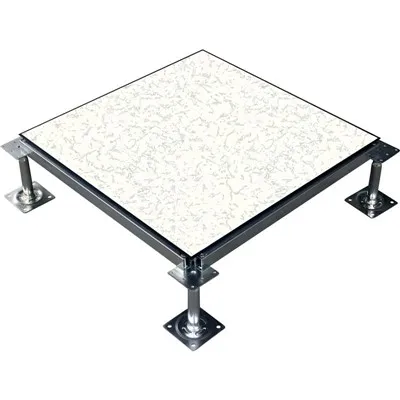
If you’re thinking about installing raised false flooring in your mobile home, I’d be more than happy to help. I’ve got a wide range of raised false flooring options that can suit different needs and budgets. Whether you’re looking for a simple, cost – effective solution or a high – end, stylish option, I’ve got you covered.
Modular Raised Flooring If you’re interested in learning more or want to discuss your specific requirements, feel free to reach out. We can have a chat about the best options for your mobile home and get you on the right track to a better – looking and more functional living space.
References
- Mobile Home Installation Manuals
- Industry – recognized flooring installation guides
- Local building and safety codes
Fineco Tech Co., Ltd.
As one of the most professional raised false flooring manufacturers and suppliers in China, we’re featured by quality products and good service. Welcome to wholesale customized raised false flooring made in China here from our factory. If you have any enquiry about cooperation, please feel free to email us.
Address: Wuyue Square, Wujin District, Changzhou, Jiangsu, China
E-mail: info@finecotech.com
WebSite: https://www.finecoglobal.com/
