What is the Weight of an Outdoor Special – design LED Display?
As a supplier of outdoor special – design LED displays, I often receive inquiries from clients about the weight of these displays. The weight of an outdoor special – design LED display is a crucial factor that influences various aspects, from installation to transportation. In this blog post, I’ll delve into what determines the weight of these displays, why it matters, and how it impacts your project. Outdoor Special-design LED Display
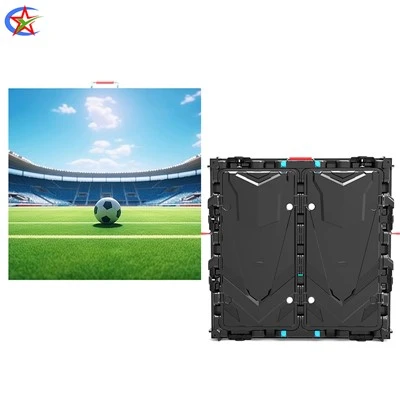
Factors Affecting the Weight of Outdoor Special – design LED Displays
Screen Size
One of the most obvious factors is the size of the LED display. Larger screens naturally require more components, including more LED modules, circuit boards, and frames. For instance, a small outdoor LED display with a size of 2×2 meters will weigh significantly less than a massive 10×10 – meter display. Each additional square meter adds to the overall weight, as more LEDs and supporting structures are needed to cover that area.
Pixel Pitch
The pixel pitch, which refers to the distance between the centers of two adjacent pixels, also affects the weight. A smaller pixel pitch means there are more LEDs per unit area. This results in a higher density of components on the display, increasing its weight. A display with a 2 – mm pixel pitch will be heavier than one with a 10 – mm pixel pitch of the same size because of the larger number of individual LEDs and associated electrical connections.
Panel Material
The materials used in the construction of the LED display panels play a vital role in determining the weight. High – quality, durable materials are often heavier but offer better protection against the elements. For example, aluminum alloy frames are a popular choice due to their combination of strength and relatively low weight. However, if a display is built with a stainless – steel frame for enhanced durability in harsh environments, it will be heavier. Additionally, the type of PCB (printed circuit board) used can also contribute to the overall weight. High – end PCBs with better heat dissipation properties may be slightly heavier due to the use of more materials.
Waterproof and Dustproof Features
Outdoor LED displays need to be protected from water and dust. To achieve this, manufacturers use various waterproofing and dustproofing techniques. These can include special coatings on the LEDs and enclosures around the display. Sealed cabinets, for example, add to the weight of the display but are essential for ensuring its longevity in outdoor settings where it may be exposed to rain, snow, and dust.
Why the Weight of an Outdoor Special – design LED Display Matters
Installation
The weight of the display is a critical consideration during installation. A heavy display requires more robust mounting structures. If the mounting structure is not designed to support the weight of the display, it can lead to safety issues. For example, a large – scale LED display installed on a building facade needs to be securely attached to the building’s structure. The installation team must calculate the load – bearing capacity of the mounting location and ensure that the display can be safely installed. In some cases, additional support structures may need to be built, which adds to the overall cost and complexity of the installation process.
Transportation
Transporting an outdoor LED display is another area where weight matters. Heavier displays require more powerful vehicles and specialized handling equipment. The transportation cost is often directly related to the weight of the cargo. Moreover, the weight can also affect the ease of loading and unloading the display. A very heavy display may need to be transported in multiple parts to make it more manageable, which can increase the risk of damage during transit.
Structural Integrity of the Location
When installing an outdoor LED display, the weight must be considered in relation to the structural integrity of the location. For example, if the display is to be installed on a rooftop, the roof must be able to support the additional weight. Engineers need to assess the building’s structure to ensure that it can handle the load without any risk of collapse or damage.
How to Estimate the Weight of an Outdoor Special – design LED Display
As a supplier, I often help clients estimate the weight of their custom – designed LED displays. Here’s a rough guideline on how to do it:
First, determine the screen size. Measure the length and width of the display area in meters. Multiply these two dimensions to get the total area. For example, a display that is 5 meters long and 3 meters wide has an area of 15 square meters.
Next, consider the pixel pitch. Different pixel pitch displays have different weight densities. A general rule of thumb is that for a common outdoor LED display with a pixel pitch between 6 – 10mm, the weight per square meter is approximately 40 – 60 kilograms. For smaller pixel pitch displays (2 – 6mm), the weight per square meter can range from 60 – 100 kilograms.
Then, factor in the panel material and additional features. If the display has a heavy – duty frame or extensive waterproofing, you need to add some extra weight. A stainless – steel frame can add about 5 – 10 kilograms per square meter compared to an aluminum alloy frame.
Let’s take an example. Suppose you want a 5×5 – meter outdoor LED display with a 6 – mm pixel pitch and an aluminum alloy frame. The area of the display is 25 square meters. Based on the weight density for a 6 – mm pixel pitch display (let’s say 60 kilograms per square meter), the base weight of the display panels is 25 x 60 = 1500 kilograms. If there are some additional waterproofing features that add about 5 kilograms per square meter, that’s an extra 25 x 5 = 125 kilograms. So the estimated total weight is around 1625 kilograms.
Impact of the Weight on the Design Process
The weight of the outdoor LED display also has an impact on the design process. When creating a special – design display, the design team needs to balance the aesthetic requirements with the practical considerations of weight. For example, a very elaborate and complex design may require more materials, which in turn increases the weight. The designers need to find ways to achieve the desired look while keeping the weight within an acceptable range.
In some cases, the weight constraints may also influence the choice of installation location. If a particular site has limited load – bearing capacity, the design may need to be adjusted to reduce the weight of the display. This could involve using lighter materials or reducing the overall size of the display.
Conclusion
In conclusion, the weight of an outdoor special – design LED display is influenced by several factors, including screen size, pixel pitch, panel material, and additional features. Understanding the weight is essential for successful installation, transportation, and ensuring the structural integrity of the location. As a supplier, I’m always ready to work with clients to help them find the right balance between design, functionality, and weight.
Outdoor Rental LED Display If you’re considering purchasing an outdoor special – design LED display and have questions about weight or any other aspects, don’t hesitate to contact me. I’m here to assist you in making the best decision for your project. Whether you’re in the planning phase or need a consultation on an existing installation, I can provide you with the expertise and support you need.
References
- "LED Display Technology Handbook": A comprehensive guide on LED display components and their characteristics, which includes information on how different materials and designs affect the weight of LED displays.
- "Outdoor Signage Installation Best Practices": This resource provides insights into the importance of considering the weight of outdoor displays during the installation process and how to ensure the safety and stability of the installation.
- Industry research reports on LED display manufacturing, which often contain data on the average weight of different types of outdoor LED displays based on their size and specifications.
Shenzhen Starcolor Optoelectronics Co., Ltd.
As one of the most professional outdoor special-design led display manufacturers and suppliers in China, we’re featured by quality products and good price. Please rest assured to wholesale discount outdoor special-design led display in stock here from our factory. Customized orders are welcome.
Address: 2nd floor, Building A, Hongjingda Industrial Park, Shiyan town, Bao’an District, Shenzhen
E-mail: starcolorled@outlook.com
WebSite: https://www.starcolordisplay.com/
