How does the power source affect the performance of a Reach Stacker? Reach Stacker
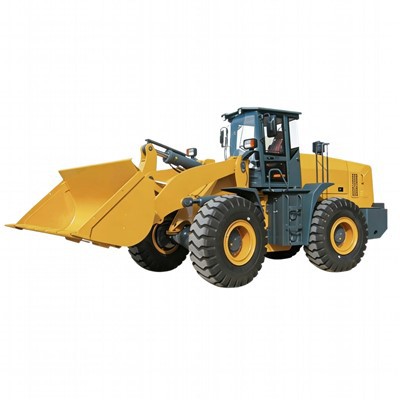
As a provider of reach stackers, I’ve seen firsthand how crucial the power source is in determining the performance of these heavy – duty machines. Reach stackers are essential in container handling operations at ports, terminals, and large warehouses. They need to be reliable, powerful, and efficient, and the power source plays a central role in achieving these qualities.
Diesel Power: The Traditional Choice
Diesel engines have long been the go – to power source for reach stackers. One of the most significant advantages of diesel power is its high torque output. Torque is what gives the reach stacker the ability to lift heavy containers with ease. When a reach stacker needs to pick up a large, fully – loaded container and stack it several levels high, the high torque of a diesel engine ensures that the lifting process is smooth and efficient.
Diesel engines are also known for their durability. They can withstand long hours of continuous operation in harsh environments. In a busy port where reach stackers are in use around the clock, a diesel – powered reach stacker can handle the workload without frequent breakdowns. The robust construction of diesel engines allows them to operate in extreme temperatures, whether it’s the sweltering heat of a tropical port or the freezing cold of a northern terminal.
However, diesel engines do have some drawbacks. One of the main issues is their environmental impact. Diesel engines emit pollutants such as particulate matter, nitrogen oxides (NOx), and carbon monoxide (CO). These emissions contribute to air pollution and can have a negative effect on the health of workers in the vicinity of the reach stacker operations. Additionally, the cost of diesel fuel can be volatile, which makes it difficult for operators to predict their operating costs accurately.
Another aspect to consider is the noise level. Diesel engines are relatively loud compared to some other power sources. The noise can be a nuisance for workers and may also cause hearing damage over time if proper safety measures are not taken. In areas where noise pollution is a concern, the use of diesel – powered reach stackers may be restricted.
Electric Power: The New Challenger
In recent years, electric reach stackers have emerged as a viable alternative to their diesel counterparts. Electric motors offer several performance advantages. Firstly, they provide instant torque. Unlike diesel engines, which need to reach a certain RPM to produce maximum torque, electric motors can deliver full torque from zero RPM. This results in quicker acceleration and faster lifting speeds, which can significantly improve the productivity of container handling operations.
Electric reach stackers are also much quieter than diesel – powered ones. This is a major benefit for workers, as it reduces the risk of noise – related health problems. In addition, the quiet operation can be an advantage in areas where noise restrictions are in place, such as near residential areas or in environmentally sensitive locations.
From an environmental perspective, electric reach stackers are a much cleaner option. They produce zero tailpipe emissions, which helps to improve air quality in and around the port or warehouse. This is becoming increasingly important as more and more countries and regions implement strict environmental regulations to combat air pollution.
However, electric reach stackers also face some challenges. One of the main limitations is the battery range. The operating time of an electric reach stacker is limited by the capacity of its battery. In a busy port where the reach stacker needs to operate continuously for long periods, the battery may need to be recharged frequently. This can lead to downtime, which can affect productivity. Additionally, the initial cost of an electric reach stacker is often higher than that of a diesel – powered one. The cost of the battery and the charging infrastructure also add to the overall investment.
Hybrid Power: Combining the Best of Both Worlds
Hybrid reach stackers aim to combine the advantages of diesel and electric power. A hybrid system typically consists of a diesel engine and an electric motor. The diesel engine can be used to generate electricity, which is then stored in a battery. The electric motor can be used to power the reach stacker during normal operation, while the diesel engine can kick in to provide additional power when needed, such as during heavy lifting operations.
One of the main benefits of a hybrid reach stacker is its improved fuel efficiency. By using the electric motor for most of the operation, the hybrid reach stacker can reduce its diesel consumption. This not only lowers the operating cost but also reduces the environmental impact. The hybrid system also allows for regenerative braking, which means that the energy generated during braking is converted back into electricity and stored in the battery. This further improves the overall efficiency of the reach stacker.
Hybrid reach stackers also offer better performance in terms of power and flexibility. The combination of the diesel engine and the electric motor provides a more powerful and responsive machine. The reach stacker can switch between the two power sources depending on the workload, ensuring that it always operates at an optimal level.
However, hybrid reach stackers are more complex than their single – power – source counterparts. This complexity can lead to higher maintenance costs and a greater risk of technical problems. The additional components, such as the battery and the power management system, also add to the initial cost of the reach stacker.
Impact on Different Performance Metrics
Lifting Capacity
The power source has a direct impact on the lifting capacity of a reach stacker. Diesel engines, with their high torque output, are well – suited for lifting heavy containers. They can handle the large loads required in most port and terminal operations. Electric and hybrid reach stackers can also achieve high lifting capacities, especially with the development of more powerful electric motors and advanced power management systems. However, the battery capacity of electric reach stackers may limit the number of consecutive heavy – lifting operations without recharging.
Speed and Productivity
As mentioned earlier, electric reach stackers offer instant torque, which results in faster acceleration and lifting speeds. This can significantly improve productivity in container handling operations. Diesel – powered reach stackers, while they can also operate at high speeds, may take a bit longer to reach their maximum power output. Hybrid reach stackers can combine the speed advantages of electric power with the long – term power availability of diesel, providing a good balance between speed and continuous operation.
Maneuverability
The power source can also affect the maneuverability of a reach stacker. Electric motors are generally more responsive than diesel engines, which can make the reach stacker easier to handle in tight spaces. The precise control offered by electric motors allows for more accurate positioning of containers, reducing the risk of damage. Hybrid reach stackers can also benefit from the responsive nature of electric motors during normal operation, while the diesel engine provides the necessary power for more demanding maneuvers.
Maintenance and Reliability
Diesel engines require regular maintenance, including oil changes, filter replacements, and engine tune – ups. The complexity of diesel engines also means that there is a greater risk of mechanical problems. Electric motors, on the other hand, have fewer moving parts, which generally makes them more reliable and easier to maintain. However, the battery in an electric reach stacker requires special care and maintenance, and its lifespan can be affected by factors such as charging habits and operating conditions. Hybrid reach stackers combine the maintenance requirements of both diesel and electric systems, which can be more challenging and costly to manage.
Conclusion
In conclusion, the power source of a reach stacker has a profound impact on its performance. Diesel power offers high torque and durability but comes with environmental and cost – related challenges. Electric power provides instant torque, quiet operation, and zero emissions, but is limited by battery range and high initial costs. Hybrid power combines the advantages of both diesel and electric power but adds complexity and higher maintenance costs.
As a reach stacker provider, we understand that each customer has unique needs and requirements. Whether you are looking for maximum power, high productivity, environmental friendliness, or a combination of these factors, we can help you choose the right power source for your reach stacker. Our team of experts is always available to provide you with detailed information and advice on the best reach stacker solution for your operation.
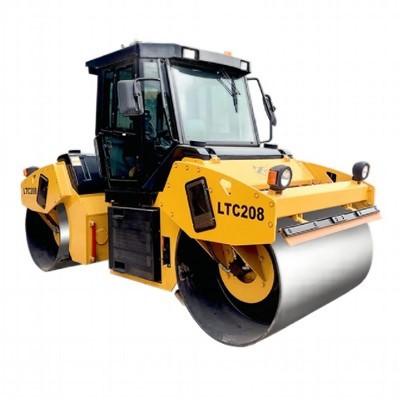
If you are interested in learning more about our reach stackers and how the power source can affect their performance, or if you are considering purchasing a reach stacker for your business, we encourage you to contact us. We are eager to discuss your specific needs and help you make an informed decision.
Drilling Machine References
- "Container Handling Equipment: Technology and Operations" by John Smith
- "Advances in Electric and Hybrid Power Systems for Heavy – Duty Vehicles" by Jane Doe
- "Environmental Impact Assessment of Port Equipment Power Sources" by Robert Johnson
China Machinery International Trading Co., Ltd.
China Machinery International Trading Co., Ltd. is one of the most experienced reach stacker manufacturers and suppliers in China. We warmly welcome you to buy cheap reach stacker made in China here from our factory. Quality products and reasonable price are available.
Address: Room 233, 2nd Floor, Building 16A, No. 1, Shuguang Xili Jia, Chaoyang District, Beijing
E-mail: Info@tajhzg.com
WebSite: https://www.cnmachinery-global.com/
