Hey there, DIY enthusiasts and homeowners! I’m a supplier of self-leveling crack filler, and I often get asked this question: "Can self-leveling crack filler be used on wooden surfaces?" Today, I’m gonna dive deep into this topic and share all the ins and outs with you. Self-leveling Crack Filler
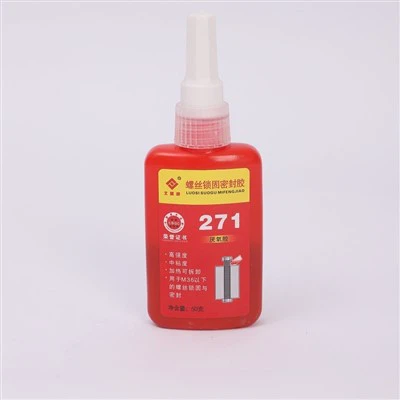
First off, let’s talk about what self-leveling crack filler is. It’s a pretty nifty product that’s designed to fill in cracks and gaps. It has this cool ability to level itself out, which means you don’t have to spend a ton of time trying to make it look even. It usually comes in a tube or a bucket, and you just apply it to the crack, and it does its thing. Most self-leveling crack fillers are made of a combination of polymers, resins, and other additives that give it the right consistency and properties.
Now, onto the big question: can you use it on wood? The short answer is, it depends. There are a few factors you gotta consider before slapping that filler on your precious wooden surfaces.
Compatibility
One of the most important things to think about is compatibility. Not all self-leveling crack fillers are created equal, and some might not play nice with wood. Wood is a natural material, and it has its own unique characteristics. It can expand and contract with changes in temperature and humidity, and it has a porous surface. So, you need a filler that can adapt to these changes and bond well with the wood.
Some self-leveling crack fillers are specifically formulated for use on wood. These types of fillers are usually more flexible and can move with the wood as it expands and contracts. They also have good adhesion properties, which means they’ll stick to the wood surface and not peel or crack over time. On the other hand, if you use a filler that’s not designed for wood, it might not adhere properly, and you could end up with a mess.
Type of Wood
The type of wood you’re working with also matters. Some woods are softer and more porous than others. For example, pine is a softwood that’s relatively easy to work with but has a more open grain structure. Hardwoods like oak or maple are denser and have a tighter grain. The porosity of the wood can affect how well the filler penetrates and bonds.
With softer woods, you might need to apply a thin layer of primer before using the self-leveling crack filler. This helps to seal the surface and prevent the filler from being absorbed too quickly. For hardwoods, you might not need a primer, but you still need to make sure the surface is clean and dry before applying the filler.
Purpose of the Filling
What are you using the filler for? Is it just for cosmetic reasons to fill in small cracks and make the wood look nicer? Or is it to repair a structural issue? If it’s just for cosmetic purposes, you have a bit more flexibility in terms of the type of filler you can use. But if it’s for a structural repair, you need to choose a filler that has strong bonding properties and can withstand the stresses and strains the wood will be subjected to.
For small cracks and gaps that are purely cosmetic, a standard self-leveling crack filler might do the trick. But if you’re dealing with larger cracks or areas of damage, you might need a more heavy-duty filler that’s designed for structural repairs.
How to Use Self-Leveling Crack Filler on Wood
If you’ve decided that self-leveling crack filler is the right choice for your wooden surface, here’s how you can use it:
- Prepare the surface: First, clean the wood surface thoroughly. Remove any dirt, dust, or debris using a brush or a vacuum cleaner. If there’s any old paint or finish on the wood, you might need to sand it down to create a smooth surface for the filler to adhere to.
- Mask the area (optional): If you’re worried about getting the filler on areas you don’t want it, you can use masking tape to protect the surrounding wood.
- Mix the filler (if required): Some self-leveling crack fillers come pre-mixed, while others need to be mixed before use. Follow the instructions on the product label carefully to mix the filler correctly.
- Apply the filler: Use a putty knife or a caulking gun to apply the filler to the crack or gap. Make sure to fill the crack completely, but don’t overfill it. The filler will level itself out, so you don’t need to worry too much about making it perfectly even at this stage.
- Let it dry: Allow the filler to dry according to the manufacturer’s instructions. This can take anywhere from a few hours to a few days, depending on the type of filler and the environmental conditions.
- Sand and finish: Once the filler is dry, you can sand it down to make it flush with the wood surface. After sanding, you can apply a finish, such as paint, stain, or varnish, to match the rest of the wood.
Pros and Cons of Using Self-Leveling Crack Filler on Wood
Let’s take a look at the advantages and disadvantages of using self-leveling crack filler on wooden surfaces.
Pros
- Easy to use: Self-leveling crack filler is relatively easy to apply, even for beginners. You don’t need a lot of special tools or skills.
- Saves time: The self-leveling feature means you don’t have to spend a lot of time trying to level the filler manually. This can save you a significant amount of time, especially if you’re working on a large area.
- Good for cosmetic repairs: It can make small cracks and gaps on wood surfaces look much better. It gives the wood a more polished and professional appearance.
Cons
- Limited flexibility: Some self-leveling crack fillers might not be as flexible as wood, which means they could crack or peel over time if the wood expands or contracts.
- Not suitable for all types of cracks: It might not be the best choice for large or deep cracks, especially if they’re a result of structural issues. In these cases, you might need a more heavy-duty repair method.
- Requires proper preparation: To get the best results, you need to prepare the wood surface properly. This can be time-consuming and might require some additional tools and materials.
In conclusion, self-leveling crack filler can be used on wooden surfaces, but it’s important to do your research and choose the right product for the job. Consider the compatibility, the type of wood, and the purpose of the filling before making a decision. If you’re not sure, it’s always a good idea to test the filler on a small, inconspicuous area first to see how it performs.

If you’re in the market for self-leveling crack filler for your wooden surfaces or any other projects, I’d love to chat with you. I’ve got a wide range of high-quality products that are specifically formulated to work well with wood. Whether you’re a DIY enthusiast or a professional contractor, I can help you find the right filler for your needs. So, don’t hesitate to reach out to me for a purchase consultation. Let’s get those cracks filled and make your wood look amazing!
Silicone Sealant References
- "Wood Finishing: A Complete Guide" by Bob Flexner
- Product manuals of various self-leveling crack fillers
Shandong Liangxin Adhesives Co., Ltd.
We are one of the most professional self-leveling crack filler manufacturers in China, featured by quality products and good service. Please rest assured to wholesale high-grade self-leveling crack filler in stock here and get pricelist from our factory. We also accept customized orders.
Address: Industrial Park, Jiudu Sub-district, Hedong District, Linyi City, Shandong Province, China
E-mail: 15253909280@139.com
WebSite: https://www.liangxinglue.com/
