If you’ve ever stared at a perfectly golden loaf of bread, a bag of crisp, uniformly orange cheese puffs, or a carton of yogurt with consistently smooth, unblemished color, you’ve spotted food additives at work. As a food additives supplier, I talk to bakers, snack manufacturers, and dairy product developers every week who ask the same question: How do these ingredients actually turn raw, often messy food materials into the shelf-stable, visually consistent products consumers pick up at the store? The truth is, appearance isn’t just a marketing gimmick—it’s a core part of food safety, quality, and even consumer trust. Every additive we provide is formulated to address a specific visual challenge: fixing uneven color in raw ingredients, preventing discoloration during processing or storage, or ensuring products look the same today as they will six months from now. Let’s break down the science behind these changes, and why they matter far more than just a pretty package. Food Additives

First, it’s important to distinguish the most common additives that impact appearance, and how each one works at the molecular level. Color additives are probably the most familiar type, but not all color additives are the same. For example, natural colorants like annatto (which comes from the seeds of the achiote tree) and synthetic equivalents like Allura Red AC are both used to add or deepen color, but their function depends on how they interact with food’s other components. Raw cheese, for instance, has a pale, off-white hue that doesn’t pop against competitors on a shelf. Adding a small amount of annatto-based colorant doesn’t just make it orange—it mimics the natural yellow-orange color that cow’s milk fat can have when cows eat fresh grass, a trait consumers associate with “rich” or high-quality cheese. But here’s where our expertise as a supplier comes in: we don’t just sell colorants by the pound. We match the type and concentration to the cheese’s fat content, pH level, and processing method to prevent a common issue called “bleeding,” where the color runs into the cheese’s rind or onto packaging. That’s not a minor detail—consumers will reject a cheese if the color isn’t uniform, even if it tastes exactly right.
Then there are anti-browning agents, which are often less visible but equally critical. You’ve probably cut an apple at home, left it on the counter for 10 minutes, and watched it turn brown. That’s enzymatic browning, a reaction where an enzyme called polyphenol oxidase (PPO) reacts with oxygen in the air to produce melanin, the same pigment that gives skin its color. For fresh-cut fruits, frozen vegetables, or even some baked goods, this reaction can turn an otherwise appealing product unappetizing in hours. Ascorbic acid (vitamin C) is a common anti-browning agent we supply, and it works by two separate mechanisms: first, it lowers the pH of the food, which slows down PPO’s activity, and second, it acts as an antioxidant, binding to oxygen molecules before they can react with the enzyme. Another go-to is citric acid, which not only lowers pH but also helps stabilize color by preventing metal ions (like iron or copper from processing equipment) from catalyzing browning reactions. Last year, we worked with a frozen vegetable producer that was losing 12% of their spinach load to browning during thawing. By adjusting their ascorbic acid concentration and pairing it with a small amount of citric acid, we helped them cut that loss to less than 1%—all without altering the taste or texture of the spinach. That’s the kind of impact appearance additives have on a manufacturer’s bottom line, too.
Texture and structure modifiers also play a huge, often overlooked role in how food looks. Think about the difference between a fresh bread roll that’s smooth, uniformly puffed, and stays soft for three days, versus a stale roll that’s cracked, dense, and discolored. Many leavening agents are technically food additives, and while their primary job is to make bread rise, they also impact appearance by creating an even, porous crumb structure. But there are also additives like modified starches and gums that work on the visual side by preventing what’s called “syneresis,” or the separation of liquid from a food product. For example, yogurt would often turn watery and develop a pale, watery layer on top of the packaging if not stabilized. We supply modified food starches derived from corn or tapioca that bind to water molecules in the yogurt, keeping the texture smooth and the color even throughout the carton, even after weeks on a grocery store shelf. Another example is ice cream: without stabilizers like guar gum or carrageenan, ice cream would form large ice crystals, leading to a lumpy, uneven surface and a dull, off-white color. These additives prevent ice crystal formation, resulting in a smooth, consistently colored product that scoops evenly every time.
It’s worth addressing the elephant in the room, too: consumer concerns about food additives, especially when it comes to appearance. I get it—there’s a lot of misinformation out there about “unnatural” additives being bad for you. But the reality is that every additive we supply is regulated by global food safety bodies like the FDA in the U.S., EFSA in the EU, and FAO/WHO’s Joint Expert Committee on Food Additives (JECFA). Each additive undergoes rigorous testing to confirm that it’s safe for consumption at the levels used in food, and we only work with manufacturers that follow these guidelines to the letter. What’s more, many consumers actually prefer “natural” colorants now, so we’ve invested heavily in our product line to offer plant-based alternatives to synthetic colorants that still deliver consistent results. For example, we now offer a red colorant derived from radish extract that performs just as well as Allura Red in beverages, baked goods, and snacks, without any synthetic ingredients. A major cereal brand recently switched from a synthetic red color to our radish-based one, and reported no change in product appearance—plus a 15% increase in sales among consumers looking for “clean label” options. That’s proof that appearance additives can work for both manufacturers and consumers, as long as they’re used correctly and transparently.
Another key area where additives change food appearance is in shelf stability, which directly impacts how a product looks over time. Think about a box of cookies: if they’re not treated with anti-staling agents, they’ll go from crisp and golden to soft and dull within a week. Mono- and diglycerides are common emulsifiers we supply that not only improve texture but also prevent staling by binding to starch molecules in the flour, stopping them from retrograding (or rearranging into rigid structures that make bread and cookies go stale). This keeps the cookies looking golden and crisp for weeks, which is critical for retailers that need products to stay on shelves for 30 days or more. For canned goods, on the other hand, we supply acidulents like phosphoric acid that help prevent “plate out,” where minerals from the can or food itself form a white, chalky residue on the inside of the can or on the surface of the food. That residue not only looks unappealing but can also signal that the food is not properly stabilized. By adjusting the pH with phosphoric acid, we help manufacturers keep canned foods looking fresh and uniform for their entire shelf life.
I’ve seen firsthand how small changes in additive levels can make a huge difference in a product’s success. Last year, I worked with a craft seltzer brand that was struggling with their cherry-flavored seltzer: the color was too pale during the day, but when placed under grocery store fluorescent lighting, it would fade to a dull pink that didn’t stand out on the shelf. After testing different natural colorants and light stabilizers, we found that adding a small amount of a carotenoid-based light stabilizer helped the color resist fading under UV and fluorescent light, while adjusting the cherry colorant concentration gave it a deep, bright red that popped against other seltzers. Within three months, their sales doubled, and the brand told us that the visual appeal was the number one reason consumers picked their product over competitors. That’s the power of appearance additives—they don’t just make food look good; they drive consumer choice.
It’s important to emphasize that none of this is about trickery. Food additives don’t change the nutritional value of food (not in any meaningful way, anyway, when used at approved levels) or hide spoiled or low-quality ingredients. They simply create a consistent, safe, and appealing product that consumers can rely on. A raw strawberry might have a perfect color, but when processed into jam, puree, or a frozen fruit topping, it will lose that bright red hue due to heat, oxidation, and other processing steps. Additives help preserve that color so consumers know exactly what they’re getting, even when the fruit is out of season or processed far from where it’s sold. Same with fresh fish: it turns gray and dull within hours of being caught, so small amounts of color-stabilizing additives help keep it looking bright and fresh until it reaches the grocery store.
As a food additives supplier, our job isn’t just to sell ingredients—it’s to partner with manufacturers to solve their visual challenges. Every product on a grocery store shelf has a story, and many of those stories involve the additives we provide: the golden crust on your sourdough, the bright orange color on your cheddar cheese, the smooth, non-watery yogurt in your carton. These small, often unseen ingredients make food look consistent, safe, and appealing, and they’re a critical part of modern food production that often goes unrecognized.
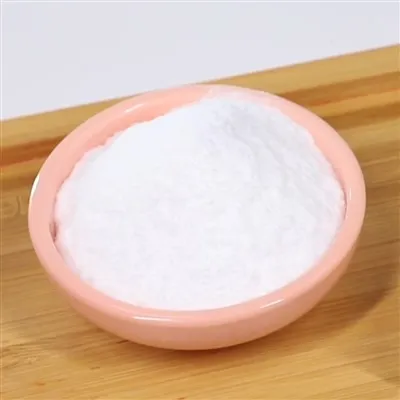
If you’re a food manufacturer looking to improve your product’s appearance, reduce waste from discoloration or texture issues, or explore new clean label options for your products, we’re here to help. We offer customized formulation support, testing services, and a wide range of regulated, safe additives tailored to your specific needs. Let’s connect to discuss how we can help your product stand out on shelves and meet consumer expectations for quality and consistency.
Colorant References
- Institute of Food Technologists. (2021). Color Additives in Food: Balancing Function, Safety, and Consumer Preferences. IFT Press.
- Joint FAO/WHO Expert Committee on Food Additives (JECFA). (2022). Evaluation of Certain Food Additives and Contaminants. WHO Press.
- Hojilla-Evangelista, M. P., et al. (2020). Anti-browning Agents: Mechanisms and Applications in Fresh and Processed Foods. Journal of Food Science, 85(12), 3745-3756.
- Smith, A. L., et al. (2019). Stabilizers and Emulsifiers: Their Role in Texture and Appearance of Processed Foods. Comprehensive Reviews in Food Science and Food Safety, 18(4), 1123-1145.
- European Food Safety Authority (EFSA). (2023). Scientific Opinion on the Safety of Food Colorants for Use in Clean Label Products. EFSA Journal, 21(3), 7892.
Guangzhou ZIO Chemical Co., Ltd.
As one of the most professional food additives manufacturers and suppliers in China, our products have good reputation in the market. With abundant experience, we warmly welcome you to buy bulk food additives for sale here and get free sample from our factory. For price consultation, contact us.
Address: 5th Floor, Building 1A, Runnong Business Center, No.2 Huangcun Road, Dongpu Town, Tianhe District, Guangzhou
E-mail: alice.liu@gzzio.com
WebSite: https://www.zio-ingredients.com/
