Hey everyone, it’s Jake from the Car Switch Co. – yeah, the folks that keep your car’s windows, lights, and door locks clicking smoothly every day. Lately, I’ve been getting a ton of DMs from car owners, techs, even other small shop owners asking the same weird, specific question: “My switches are acting up – how do I clean the damn contacts without breaking ’em?” Fair enough, right? A wonky window switch or a dim dash light switch is one of those tiny problems that turns into a huge headache real fast. And half the tutorials online make it sound like you need a degree in engineering or a fancy tool kit, which is total garbage. Today, I’m breaking this down like I would with a buddy in my shop – no jargon, no overcomplicating, and a few pro tips that come from 8 years of building and fixing car switch contacts for a living. Car Switch

First, let’s get one thing straight: dirty switch contacts are almost never the end of the world. What even is a “dirty contact,” anyway? Inside every car switch – the ones you press for your radio, the defroster, or that seat warmer you love on cold days – there are two tiny metal pads that touch. When they’re clean, they make a perfect little electrical bridge, so power flows right where it needs to go. Over time? Dirt, grime, oil from your fingers, even dust that seeps through the cracks builds up on those pads. That gunk acts like a insulator, so the power can’t get through. Hence, your window won’t roll up half the way, or your hazard lights flash like they’re having a seizure. Simple as that.
Now, before you grab that bottle of WD-40 you’ve got under your sink (I see you, don’t do that), let’s talk about what works and what’s a total disaster. WD-40 is a lubricant, not a cleaner. Sure, it might make a sticky switch work for a day, but it leaves a sticky film that attracts more gunk later. And if it seeps into the wiring inside the switch? It can eat away at the metal terminals and kill the switch for good. I’ve sent hundreds of replacement switches to folks who messed up with WD-40 – not a single one was my fault, mind you. Save that for your door hinges, okay?
So what do you actually need? Let’s make a list of stuff you probably already have in your garage or junk drawer:
- A flathead screwdriver – the small, thin kind, not that giant one you use for prying open paint cans. You just need enough to pop the switch out of the dashboard or door panel without scratching anything.
- Isopropyl alcohol – 90% or higher, not the 70% stuff you use for cleaning cuts. The lower percentage has way too much water, and water is the enemy of electrical parts. If you can only find 70%, it works, but you have to let it dry twice as long.
- Cotton swabs (the skinny ones, not the big fluffy kind) or a very soft toothbrush, like the one you use for your kid’s braces.
- A clean, dry microfiber cloth – no paper towels, they leave little fibers all over the contacts.
- A tiny can of compressed air (like the ones for blowing dust off your computer keyboard) – super useful for blowing out loose dust before you clean. If you don’t have that, a rubber bulb turkey baster works too, just make sure it’s clean.
Let’s walk through this step by step, and I’ll throw in a few pro tips along the way. First, you need to take the switch out of the car. This is the part that scares most people, but it’s actually dead simple. Most switches are held in with two tiny clips on the sides – you just stick the flathead screwdriver in the seam, gentle pry, and they pop right out. A lot of newer cars have plastic tabs, not clips, same idea: be patient, don’t force it, if it doesn’t budge, you’re prying the wrong spot. Once it’s out, there’s a little connector wire plugged into the back – push the tiny tab on the connector, pull it straight, and the switch is fully detached. Easy peasy.
Next, take the switch apart. Almost every car switch is a two-piece plastic case, held together with little snap locks along the edge. Again, use that thin flathead screwdriver to gently work the edges apart – no need to yank. Once you split it, you’ll see the guts: the button part, a spring, and that little metal contact pad. If you’ve never seen this before, it looks like a tiny silver square or circle, usually on the bottom of the button, or on the base of the switch where the button presses down. That’s the part that gets dirty.
Now, the cleaning part. First, use that compressed air (or turkey baster) to blow out any loose dust or crumbs that are inside the switch. This keeps you from rubbing gunk around and scratching the metal contacts. Then, take one of those skinny cotton swabs, dip just the tip into the isopropyl alcohol – not so much that it’s dripping, you don’t want alcohol all over the switch. Gently rub the metal contact pad, back and forth, until it looks shiny again. If there’s really stubborn grime, use that soft toothbrush to scrub the pad – it’s firm enough to get the gunk off, but not hard enough to scratch the metal. Let the contact dry for 10 minutes – alcohol evaporates fast, but you want to make sure every last drop is gone before you put the switch back together.
Wait, a quick pro tip here: if the contacts are extra corroded (you’ll see a little green or black crud on them), don’t scrape them with metal tools. That’ll leave marks that make worse dirt buildup later. The alcohol and toothbrush are enough – if that doesn’t work, the switch is probably too far gone, and you’ll need a replacement. That’s where we come in, by the way.
Once the contact is clean and dry, put the switch back together. Snap the two plastic halves shut, make sure all the little parts (the spring, the button) are in place, then plug the connector back into the back. Pop the switch back into its slot in the dashboard or door panel, and give it a test. It should click way smoother than before, and no more flaky window or lights.
Now, let’s talk about when to skip the DIY and call a pro (or just get a new switch from us). If the switch has power windows or locks, and it’s been acting up for months, not just a few weeks of intermittent issues, the contacts might have pitted or worn down so much that cleaning won’t help. Or if when you take it apart, you see broken wires or cracked plastic – yeah, that’s a goner. Also, if you’re working on a fancy Tesla or a newer luxury car with all those touch-sensitive switches, just be super gentle. A lot of those are glued together, not snapped, and prying too hard will break the whole thing.
A common mistake I see people make is cleaning the outside of the switch but not the inside. The button you press – the part your fingers touch all the time – gets oily and dirty too, and that oil can seep into the contact area over time. So give the button a quick wipe with a microfiber cloth and a little bit of alcohol while you’re at it. It’ll feel like a brand new switch when you’re done.
Another thing: how often should you do this? I’d say once a year, or if you start noticing weird behavior – like the window only rolls up if you hold the button at a certain angle, or the radio volume jumps for no reason. Catching it early saves you from having to replace a whole switch, which is way more expensive.
Wait, let’s answer a question I get all the time: can I use anything else instead of isopropyl alcohol? I’ve heard people use vinegar, nail polish remover, even cola (don’t ask) – none of those work right. Vinegar is acidic, it can corrode the metal contacts over time. Nail polish remover has acetone, which is way too strong and can melt the plastic inside the switch. Cola has sugar, that’s just gonna make the gunk worse. Stick with 90% isopropyl, it’s cheap, it works, and it won’t damage anything.
And for the love of all things good, don’t use a wire brush or sandpaper to clean the contacts. Yeah, you’ll get the gunk off fast, but you’ll scratch the metal so bad that new dirt will stick right to the scratches. Plus, metal shavings can get stuck inside the switch and cause a short circuit. Not worth it.
Let me tell you a quick story to put this in perspective. A couple months back, a guy brought his 2018 Ford F-150 into the shop where I used to work. His window switch on the passenger side wasn’t working, he’d tried WD-40 three times, and it was worse. We took the switch apart, the contacts were so gunky they looked like they had a layer of tar on them. We cleaned ’em with isopropyl, put it back together, and it worked like a charm. He saved like $150 on a new factory switch, and he texted me a month later saying it’s still going strong. That’s the kind of win we love.
Now, if you’ve tried cleaning the contacts twice and the switch still acts up, or you’re nervous about taking it apart in the first place, don’t force it. We make car switches for every make and model, from old Hondas to new trucks, and we’ve got tons of options at prices way lower than the dealership. Just reach out, and we can help you pick the right one, no pressure.
At the end of the day, dirty switch contacts are a super easy fix, as long as you don’t use the wrong stuff or force the switch apart. It’s the tiny little parts that keep your car running smoothly, and taking 10 minutes to clean ’em is way better than dealing with a broken window on a hot day, or having to pay a mechanic $100 just to swap a switch. So next time your switch feels sticky or flaky, grab that isopropyl alcohol and follow the steps above – you’ve got this.
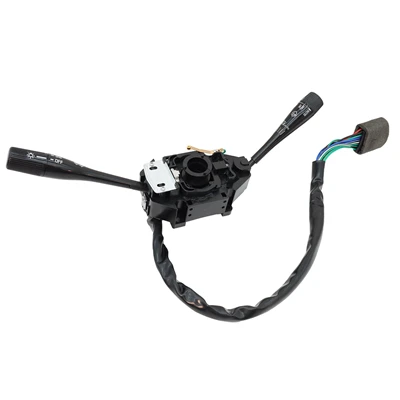
If you have any questions, or you need a replacement switch, feel free to reach out. We’re here to help you keep your car’s switches clicking for years to come.
Automotive Steering System References
- Automotive Electronics Repair Manual, 2022 Edition. Society of Automotive Engineers.
- “Contact Cleaner Compatibility for Electrical Switches,” Electronic Components and Technology Journal, Vol. 45, No. 2, 2019.
- DIY Automotive Electrical Maintenance Guide, Car Care Association, 2021.
- “Common Failures in Passenger Vehicle Switches,” Journal of Automotive Engineering, Vol. 30, No. 5, 2018.
Shanghai Changshun Imp.&Exp. Co., Ltd.
As one of the most professional car switch manufacturers and suppliers in China, we are committed to providing high quality OEM service to global clients. We warmly welcome you to buy premium car switch made in China here from our factory.
Address: No. 1558, Bai’an Road, Anting Town, Jiading District, Shanghai
E-mail: info@changhui-group.com
WebSite: https://www.changhuish.com/
