If you’ve ever peeled a strip of packaging tape off a roll and been confused by the thin, slightly slippery backing that clings to the adhesive side, that’s release paper—and as someone who’s supplied this material to industrial and commercial clients for over a decade, I can tell you it’s one of the most underrated unsung heroes of adhesive products. Most people only notice release paper when it’s gone (or when it won’t peel off cleanly, a headache we’ve spent years solving for our customers). Let’s break down what it actually is, why it matters, and why choosing the right release paper supplier makes all the difference for your adhesive tape projects. Release Paper
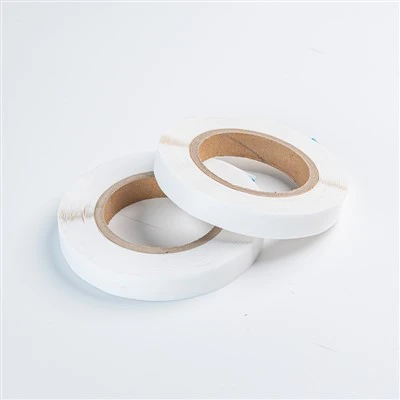
First, let’s start with the basics: release paper, sometimes called release liner, is a thin, flexible substrate designed to coat with a low-adhesion material so that adhesive sticks to the tape’s core but not to the liner. The core function is twofold: it protects the adhesive layer from dirt, moisture, and damage during storage and transport, and it keeps individual tape strips or the roll from sticking to each other or to itself. Without it, rolls of double-sided tape would turn into a messy, unworkable mass the second you unrolled them, and shipping specialty tapes like medical adhesives or industrial bonding tapes would be impossible.
But not all release paper is created equal. For my team and me, understanding that variation is what sets good suppliers apart. The substrate itself is usually made from high-quality paper—often wood pulp, sometimes blended with synthetic fibers for extra strength—because it’s lightweight, affordable, and flexible enough to conform to the shape of adhesive tapes. The magic happens in the silicone coating (or, less commonly, other low-surface-energy materials like fluoropolymers or polyethylene, depending on the adhesive type). The coating’s “release force” — how easy or hard it is to peel the liner off the adhesive — is tailored to match the tape’s end use. For example, medical tapes need a very low release force so nurses or patients can peel the liner off without pulling the adhesive away from skin, while heavy-duty industrial tapes for sealing shipping containers need a slightly higher release force to keep the liner from accidentally coming off on the production line before the tape is applied.
A common misconception I hear from new customers is that release paper is just “plain paper with a slippery coat.” That’s why so many first-time buyers end up with liners that either stick too tight (tearing the adhesive when removed) or too loose (sliding off mid-production). Let me give you a recent example: a local packaging company came to us six months ago, frustrated because their new case-sealing tape kept failing on high-speed packaging lines. Their old release paper was too low-adhesion, so individual liners would peel off the roll and jam their machines, causing hours of downtime. We tested their existing adhesive and adjusted our silicone coating’s release force to match, and now their line runs 98% of the time, with zero liner jams. That’s the kind of tailored solution only a supplier who invests in material testing can provide—something you won’t get from a generic, one-size-fits-all release paper.
Beyond the coating, release paper also has to be compatible with the adhesive it’s paired with. Acrylic adhesives, which are common in general-purpose tapes, work well with standard silicone-coated release paper, but rubber-based adhesives (used in outdoor tapes or specialty industrial bonds) can have different chemical interactions with coatings. If the release paper’s coating reacts with the adhesive, it can leave residue on the tape’s backside, cause the tape to curl, or even weaken the adhesive bond over time. That’s why we spend so much time testing every new batch of release paper with our customers’ specific adhesive formulas—we don’t just send a standard roll and cross our fingers. We also offer customized weights: lightweight liners for small crafts tapes, heavy-duty liners for construction tapes that need to hold up to moisture and rough handling during long-distance shipping.
Sustainability is another big topic right now, and it’s one my team prioritizes because we know our customers do too. For years, most release paper was coated with traditional silicone that wasn’t recyclable, and customers who wanted eco-friendly options were out of luck. We worked with material scientists three years ago to develop a line of FSC-certified, recyclable release paper coated with plant-based low-adhesion materials instead of petroleum-based silicones. It’s taken time to refine—we had to adjust release force so it worked for both small craft tapes and large-scale industrial uses—but now it’s one of our most requested products from brands that want to reduce their carbon footprint without sacrificing performance. I’ve had customers tell me they switched to our eco-friendly release paper to meet their own customers’ demands for sustainable packaging, and that’s the kind of partnership we value more than any one-off order.
Let’s also clear up the difference between release paper and other liners, just in case you’re shopping for this material and feeling overwhelmed by terminology. Release paper is specifically a paper-based liner, as opposed to release film (which is made of plastic, like polyethylene or polypropylene). For many customers, paper is the better choice: it’s cheaper, more flexible, and easier to cut into custom shapes for die-cut tapes (like the double-sided tapes used in phone screen repairs or craft stickers). Plastic release liners are more water-resistant, though, so they’re common for tapes that will be submerged in water, like marine sealing tapes. At our company, we work with both, but our bread and butter is release paper because it fits the needs of most of our clients—from small businesses making custom stickers to large manufacturing plants producing millions of feet of industrial tape a month.
A question I get all the time is: how do I know if my release paper is the right fit? The test is simple: peel a small section of the liner off your adhesive tape. If the liner tears instead of coming off smoothly, the paper is too weak. If the adhesive pulls off with the liner instead of staying on the tape, the release force is too low. If there’s a sticky residue left on the liner after peeling, the coating is incompatible with your adhesive. We’ve fixed all three of these issues for countless customers, and that’s why we invest in quality control at every step—from the pulp we source for the paper to the coating process to the final inspection of every batch.
If you’re a tape manufacturer, a packaging brand, or even a small business working on a custom tape project, the release paper you choose isn’t an afterthought—it’s a key part of your product’s performance, your production line’s efficiency, and even your brand’s sustainability goals. Too many suppliers treat release paper as a commodity, but it’s not. It’s a specialized material that requires attention to detail, tailored solutions, and a commitment to quality that we’ve built our business on over the years.
If you’re currently struggling with release paper issues—liner jams, adhesive residue, poor performance on your tape—or if you’re just ready to switch to a supplier that prioritizes your specific needs, I’d encourage you to reach out to our team. We offer free sample testing for all new customers, so you can try our release paper with your adhesive formula before you commit to a full order. Whether you need standard release paper for general-purpose tapes, custom eco-friendly liners, or a solution to a specific production problem, we’re here to help. Don’t let an overlooked material hold back your product or your operations—let’s find the right release paper for your adhesive tapes together.
Reflective Tape References
- Handbook of Pressure-Sensitive Adhesive Technology, 3rd Edition, D. Satas, 1999, Van Nostrand Reinhold
- “Release Liner Materials and Coatings for Pressure-Sensitive Tapes,” Journal of Adhesion Science and Technology, Vol. 24, No. 15, 2010, pp. 2473-2495
- Sustainable Release Liners: A Guide for Manufacturers, Sustainable Packaging Coalition, 2021
Jinrong New Materials Co., Ltd.
Jinrong New Materials Co., Ltd. is one of the most professional release paper manufacturers and suppliers in China. With abundant experience, we are committed to providing high quality products made in China with competitive price. Please feel free to buy customized release paper from our factory. Welcome to contact us for quotation and free sample.
Address: Guangde, Anhui Province Economic Development Zone Pengju Road 37
E-mail: lynn@sanlin-tech.cn
WebSite: https://www.jinrongliner.com/
