Hey there, if you’re reading this, chances are you’ve started looking into home energy storage systems—maybe your electricity bills are through the roof, you’re tired of outages messing with your daily routine, or you’re ready to take a bigger step toward energy independence. As a home energy storage supplier, I’ve talked to hundreds of homeowners just like you who feel overwhelmed by all the options out there. There’s a lot of jargon thrown around, so I wanted to break this down like a chat over coffee—no fancy terms, just the stuff that actually matters when you’re picking a system that fits your home. Home Energy Storage
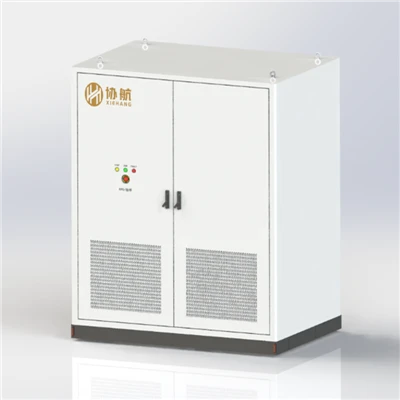
First off, let’s get one thing straight: a home energy storage system (ESS) isn’t a one-size-fits-all purchase. What works for a small apartment in a city will be totally different from what a big suburban house with rooftop solar needs. Before you even start scrolling through specs, you should figure out your “why.” Are you just looking to backup power for a few critical appliances when the grid goes down? Do you want to shave your electricity bills by storing solar power you generate during the day to use at night? Or are you gunning for full energy independence, so you barely rely on the grid at all? I see so many people skip this step and end up with a system that’s either too weak for their needs or way more expensive than they needed to spend.
Let’s dive into the core factors you need to check. First up is battery capacity, which is measured in kilowatt-hours (kWh). Think of this like the size of a gas tank for your car—bigger tank means more distance, but it’s heavier and costs more. For backup power, you’ll want to calculate how many kWh of electricity you use during an outage. Most people only need 5-10 kWh for basics like a fridge, lights, a phone charger, and maybe a TV. If you run central AC or an electric stove during outages, you’ll need more—maybe 15-20 kWh. If you’re pairing the system with solar, capacity ties into how much solar you generate: if your panels make 10 kWh a day, a 10-15 kWh battery will let you use almost all of that, instead of sending it back to the grid for a tiny credit. I always tell folks to not overbuy here—you’ll just waste money on capacity you’ll never use.
Next, power output (measured in kilowatts, kW). This is how fast the battery can send electricity to your home. A lot of people mix this up with capacity, and it’s a big mistake. For example, a 5 kWh battery might only have a 1 kW output, which is enough for a fridge and lights, but if you turn on an electric dryer, it’ll flip the breaker. For backup, your power output needs to handle the biggest appliance you might run at once, plus a few others. If you’re using it with solar, the output matters for how quickly you can charge the battery from your panels too—higher output means faster charging, which is great if you have a small roof space and want to fill the battery quickly on sunny days.
Then there’s the battery chemistry, which is the “engine” of the system. These days, almost all home ESS use lithium-ion, but not all lithium is the same. We’ve seen a lot of old lead-acid systems out there, but they’re heavy, shorter-lived, and less efficient—they’re basically outdated tech at this point. Lithium-ion is way better: it charges faster, loses less energy when storing, and lasts longer. Within lithium, there are two main types for home use: lithium iron phosphate (LFP) and nickel manganese cobalt (NMC). At our company, we swear by LFP systems, and here’s why: they’re way safer (less likely to overheat or catch fire), have a longer cycle life (meaning they can be charged and discharged hundreds more times before losing capacity), and don’t have rare, expensive metals that make their price jump up. NMC is a bit more energy-dense, but that’s rarely a big deal for homes, and the safety trade-off just isn’t worth it for most people.
Wait, let’s talk about cycle life, because that’s how long the battery will actually last. A cycle is one full charge and discharge—so if you go from 100% to 0% and back to 100%, that’s one cycle. Most good home lithium-ion batteries have a cycle life of 3,000 to 10,000 cycles, depending on the type. LFP is usually at the higher end here—think 6,000+ cycles, which means if you charge and discharge it once a day, that’s over 16 years, which is way longer than the average home’s ownership period. That’s a big deal because you don’t want to drop $5k on a system that dies in 5 years. I always tell customers to ask for the cycle life number, not just a vague “10-year lifespan”—that number is based on how you use it, so you want as many cycles as possible.
Now, let’s get into how it connects to your home and the grid. There are two main types of systems: grid-tied and off-grid. Grid-tied systems are the most common for homeowners with solar. They connect to the main power grid, so if the grid is up, you can use grid power when your battery is low. The cool thing here is net metering—if your system makes more power than you use, you send it back to the grid and get a credit on your bill. But wait, some grid-tied systems are “grid-tie only,” which means they shut off during power outages to keep line workers safe. If you want backup power with a grid-tied system, you need a “hybrid” ESS. Hybrid systems can switch between grid and battery power automatically during outages, so you don’t lose fridge food or have to run a generator. Off-grid systems, on the other hand, don’t connect to the grid at all—they’re for people who live in remote areas with no grid access, and they rely solely on solar and the battery. Unless you’re in a place with no power lines, a hybrid system is almost always the better pick because it gives you backup and lets you use the grid when you need it.
Don’t sleep on installation either. A home energy storage system is only as good as how it’s installed. First, check if the system is compatible with your home’s electrical panel. If you have an old panel, you might need an upgrade, which adds cost, so factor that in. Also, you want a certified installer—someone who knows local building codes and how to set up the system safely. A lot of suppliers will handle installation, but make sure you ask if that’s included or if you have to find your own. I’ve seen customers cut corners on installation and end up with systems that trip randomly or don’t work right during outages— it’s not worth the headache.
Cost is, of course, a big one, and I get it—home ESS isn’t cheap. But you have to look at it long-term, not just the upfront price. Let’s break it down: average cost for a 10 kWh hybrid system (good for most backup and solar needs) is between $7,000 and $12,000. But wait, there are tax incentives! In the US, for example, the Federal Solar Tax Credit covers 30% of the cost, including ESS, through 2032. Some states have extra rebates too, so that can knock thousands off. When calculating cost, don’t forget to add installation, any panel upgrades, and maintenance. Good LFP systems have almost no maintenance—no fluid checks, no big upkeep costs—so that’s a plus compared to older tech. A cheaper system might seem like a steal, but if it dies in 5 years instead of 15, you’ll end up spending way more in the long run.
Warranty is another make-or-break factor. You want a warranty that covers both the battery capacity and parts for at least 10 years, right? A lot of companies will say “10-year warranty,” but read the fine print: some only cover 70% of the original capacity after 10 years, while others cover 80% or more. At our company, we offer a 10-year warranty with 85% capacity retention, so you know you’re covered. Also, make sure the warranty is from the supplier, not the installer—if the installer goes out of business, you still have support from the company that made the system. That’s why buying from a reputable supplier (like us, obviously) matters—we’re here for the long haul, not just a quick sale.
Wait, let’s talk about something that’s easy to miss: compatibility with your solar panels, if you have them. If you already have a solar system, make sure the ESS you pick works with your existing panels and inverter. Some systems are brand-specific, so you can’t mix and match with another brand’s inverter. Hybrid systems are usually more flexible these days, but it’s worth double-checking—nothing worse than buying a battery that won’t talk to your solar setup. If you don’t have solar yet, a lot of ESS suppliers (including us) can help you size your panels to work with the battery, so you get the most out of both.
I also get asked a lot about scalability. What if you want to expand your system later? Maybe you add more panels, or your family grows, and you need more battery capacity. Some systems let you add extra battery modules later, which is way cheaper than buying a whole new system. That’s a nice feature—you can start small and build up over time, instead of dropping a huge chunk of change all at once. If you’re planning to stay in your home for a while, scalability is worth considering.
Now, let’s talk about what to avoid. First, don’t buy a system without checking its safety certifications. Look for UL certifications—Underwriters Laboratories sets standards for home ESS, and any system without those hasn’t been tested for fire or electrical hazards. We make sure all our systems are UL-listed, so you can feel safe in your home. Also, avoid super cheap, no-name systems you find on random online marketplaces. A lot of these use old, low-quality lithium cells that can fail, and they have no warranty or support. If something goes wrong, you’re stuck figuring it out on your own.
Another thing: don’t forget about local regulations. Some areas have rules about where you can install the battery (like distance from windows or property lines), or permits you need to pull. A good installer will know these, but it’s good to check on your end too—nothing slows down your project like a permit delay.
Let me wrap this up with a quick example. Suppose you’re a suburban homeowner with 4 people, a rooftop solar system that makes 12 kWh a day, and you want backup power when the grid goes out. You use about 8 kWh a day for basics, plus you run a electric dryer sometimes. You’d want a 10-12 kWh LFP hybrid system, with a 5 kW output (enough for the dryer and other appliances), a 10-year warranty, UL certifications, and an installer who’s familiar with your local codes. That setup would cost around $8,000 before tax incentives, and with the 30% credit, you’re looking at $5,600. Over 15 years, that would save you thousands on electricity bills and keep your power on during outages—it’s a solid investment.
At the end of the day, choosing a home energy storage system is about matching your needs, your home, and your budget. It’s not just a gadget—it’s something that will affect your monthly bills, your peace of mind during outages, and your carbon footprint for years to come. We’ve helped tons of homeowners find the right fit, and we’re here to answer all your questions, no sales pressure, no confusing jargon. If you’re ready to stop overpaying for electricity or want to stop stressing about power outages, reach out to us to chat through your specific situation, get a custom quote, and work out the details. We’re happy to walk you through every step, from sizing your system to installation to after-sales support.
Solar Energy Storage System References
International Energy Agency. (2023). Home Energy Storage: Technology and Market Trends.
Underwriters Laboratories. (2022). Safety Standards for Residential Energy Storage Systems.
U.S. Department of Energy. (2024). Federal Tax Incentives for Residential Energy Storage and Solar.
Lithium Association. (2023). Lithium-Ion Battery Chemistry for Residential Applications.
Zhejiang Xiehang New Energy Equipment Co., Ltd.
As one of the most professional home energy storage manufacturers and suppliers in China, our products have good reputation in the market. Please erst assured to wholesale custom made home energy storage from our factory. If you have any enquiry about cooperation, please feel free to email us.
Address: No.5 Hechen Road, Zhouwangmiao Town, Haining, Jiaxing City, Zhejiang Province, China
E-mail: dan.wu@xiehang.net
WebSite: https://www.shineonpower.com/
