If you’ve ever relied on a portable diesel generator for worksite power, emergency home use, or camping off the grid, you’ve probably glanced over at its exhaust stack and noticed wispy white smoke curling out—especially when you first fire it up on a cold morning. As a portable diesel generator supplier who’s spent hundreds of hours walking customers through their generator specs, troubleshooting small hiccups, and answering late-night calls when a unit sputters on a job site, I get this question nonstop: Is white smoke from a portable diesel generator normal? The short answer is that it can be, depending on when you see it, how much there is, and what else is going on with your unit. But the longer, more accurate answer means separating harmless, temporary white smoke from the kind that signals a problem that can derail your power or even damage your generator. Let’s break this down, since I’ve seen enough of both the normal and abnormal versions to know how to tell them apart. Portable Diesel Generator

First, let’s start with the most common, totally normal white smoke: cold-start condensation. If you’ve ever fired up your portable generator when it’s below, say, 50°F (10°C), that thin, almost invisible-looking white smoke that fades within a minute or two? That’s not unburned fuel or a broken part—that’s water vapor. Here’s the science behind it: diesel engines, even portable ones, operate on combustion: they mix fuel with air, compress it to high pressure, and ignite it with a spark or glow plug (wait, diesel engines don’t use spark plugs—they use glow plugs, right? I still get that wrong sometimes when talking to new customers). When a generator is cold, the cylinder walls, piston, and exhaust system are also cold. When the fuel ignites, some of the water that’s a natural byproduct of diesel combustion (all fossil fuels have small amounts of hydrogen; when that burns, it forms H2O, water) turns into liquid that condenses on those cold metal surfaces. As the engine warms up, that liquid heats up, turns into steam, and exits the exhaust as white smoke. The reason it’s “white” is that the tiny water droplets scatter light, making it look like smoke, and it vanishes once the engine is at operating temperature. I had a customer last winter who called me panicking at 6 a.m. because his new portable generator was puffing white smoke like a train engine when he fired it up to power his snowblower. I walked him through this, and he texted me 10 minutes later saying the smoke was gone, and his unit ran fine all day. That’s the kind of normal white smoke we’re talking about—nothing to worry about, just a sign the generator is warming up.
Another normal case of white smoke isn’t temperature-related: it’s from very light, temporary overfueling. This happens most often when you’re cranking a cold generator too hard, or when you accidentally prime too much fuel into the lines when starting it. Diesel engines need a precise air-fuel ratio to burn efficiently: roughly 14.5 parts air to 1 part fuel, give or take for portable units. If you dump too much fuel in at once, not all of it can burn before it’s pushed out the exhaust. That small amount of unburned fuel mixed with the water vapor from combustion creates a light white cloud that fades as the engine runs and adjusts the fuel mix. I’ve seen this happen to customers who are new to portable generators and prime the fuel bulb too many times when starting, or who hold the start switch too long. Again, this is temporary—once the engine settles into its operating rhythm, the fuel injection system (modern portable diesels use electronic fuel injection, not just old-fashioned carburetors, right? I make a point of updating that for my customers) adjusts automatically, and the white smoke stops.
Now, the part that’s not normal—and this is the stuff that will cost you time or money if you ignore it: thick, persistent white smoke that doesn’t go away after 2-3 minutes of running. Let’s start with the most common culprit here: water in the fuel tank. Diesel is hygroscopic, which means it absorbs moisture from the air over time—especially if you store your generator for months without running it, or if you leave the fuel cap loose. That water can make its way into the fuel lines, injectors, and combustion chamber. When the engine tries to burn fuel mixed with water, the water doesn’t burn, and instead turns into steam, creating thick, white smoke that won’t go away, maybe even gets worse as the engine runs. I had a customer last spring who stored his generator in his garage for the winter, filled the tank, and left the cap off. When he fired it up for a home power outage, it was puffing thick white smoke for 15 minutes, and sputtering. I walked him through draining the fuel tank, flushing the lines, and adding fresh, diesel-grade fuel with a water separator (I recommend these for all portable generators, even small ones) and that fixed it. The key difference here: normal cold-start smoke is thin and temporary; water in fuel smoke is thick, doesn’t fade, and often comes with sputtering, rough idling, or even the engine dying.
Another abnormal white smoke issue is a leaking head gasket, which is a bigger problem, but not impossible for portable diesels. The head gasket seals the combustion chamber, keeping coolant (the liquid that cools the engine) separate from the combustion area. If the head gasket blows, coolant can leak into the cylinders and get burned along with fuel. Coolant mixed with combustion creates thick, white, sweet-smelling smoke (that’s a dead giveaway—coolant smells like sweet antifreeze, unlike the sharp, slightly diesel smell of normal exhaust). This is a serious issue because it means your engine is overheating, and if you keep running it, you can warp the cylinder head, damage pistons, or ruin the generator entirely. I had a worksite customer a couple years ago who kept running his generator even after it started blowing thick white smoke, and by the time he called me, the head was warped, and we had to replace a major part. The fix here is not cheap, which is why it’s important to catch the difference between normal and abnormal smoke early.
Wait, there’s one more edge case: white smoke from cold weather that’s persistent, not just temporary. Let’s say you’re in a place where it’s 20°F (-6°C) all day, and after 10 minutes, your generator is still blowing white smoke. That’s probably not condensation anymore. Modern diesel fuel turns into a gel at low temperatures (that’s why you hear about diesel gelling in winter). If the fuel starts to gel, it doesn’t burn efficiently, creating unburned fuel and steam that comes out as white smoke. The fix here is to add winter diesel fuel or a diesel anti-gel additive—something I always include with my generator sales for customers in cold climates. That’s another case where you might see white smoke, but it’s fixable with a simple additive, not a major repair, but it’s still abnormal compared to the temporary cold-start smoke.
A common mistake I see new portable generator owners make is confusing white smoke with gray or black smoke. Gray smoke is usually also abnormal—usually worn piston rings or bad valve seals, letting oil burn in the combustion chamber. Black smoke is unburned fuel from a too-rich air-fuel mix, often from a clogged air filter or a faulty injector. White is the “milder” abnormal smoke, but it’s still a warning sign when it’s persistent. I always tell my customers: use the “2-minute rule.” If the white smoke is gone within 2 minutes of the generator reaching full operating speed, it’s almost certainly normal. If it’s thicker than a regular cigarette smoke (I use that as a quick visual reference—normal cold-start smoke is thinner than a cigarette, persistent is thicker), or it lasts longer than 2 minutes, or has a weird smell (sweet, like antifreeze, or just an overpowering fuel smell), that’s when you need to check things.
Now, as someone who sells portable diesel generators for worksites, home backup, and recreational use, I also want to add a note about maintenance, because preventing most of this is way easier than fixing it. I recommend every generator owner do a few simple checks: change the fuel filter every 100 hours of use, use fresh fuel (no fuel older than 30 days—diesel breaks down over time, especially in small tanks), drain the water separator every month, and keep the fuel cap sealed tight when not in use. Most of the white smoke issues I’ve talked about—water in fuel, gelled fuel, overfueling—are entirely preventable with basic upkeep. I once had a regular customer who runs 10 of my generators for construction sites, and he does a weekly check of all units, and he says that cuts his smoke-related service calls by 80%. That’s the kind of thing I stress to every customer, because a little maintenance goes a long way.
Let me also clear up a common myth I hear all the time: people think white smoke means their generator is “broken” or it’s bad quality. That’s just not true. Even the highest-quality portable diesel generator on the market will puff thin white smoke when you start it up on a cold day. It’s a physical process of condensation, not a flaw in the unit. The cheap generators? They’ll have the same cold-start white smoke—what makes a good generator better is that the smoke fades quickly, runs smoothly, and doesn’t have persistent abnormal smoke. I always encourage customers to test their generator once a month, even if they don’t need it for power, to make sure it starts up and runs without weird smoke. That’s how you catch small issues before they become big ones.
I’ve been in this portable generator business for 7 years now, and I’ve seen everything from a customer who thought their generator was on fire because of cold-start smoke to another who ignored persistent white smoke and had to replace a $1,500 engine. The key takeaway is that context matters more than the color of the smoke alone. If you just started your generator, it’s cold, and the smoke is thin and gone in a minute or two? Relax, that’s normal. If it’s thick, won’t go away, smells off, or comes with other problems like sputtering or overheating? That’s when you need to take a look at your fuel, your maintenance, or maybe reach out for help.
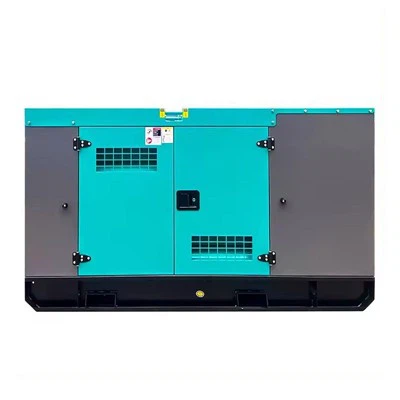
If you’ve got a portable diesel generator and you’re dealing with white smoke that’s got you worried, or you’re in the market for a new unit for worksite use, home backup, or camping, feel free to reach out to chat about your needs or troubleshoot what’s going on. I’m always happy to walk through the steps to figure out if that smoke is normal, or what to fix if it’s not.
Portable Diesel Generator References
Diesel Technology Forum. (2022). Cold-Start Emissions and Combustion in Light-Duty Diesel Engines.
Engine Builder Magazine. (2021). Common Exhaust Smoke Issues and Troubleshooting for Small Diesel Engines.
Portable Power Equipment Association. (2023). Best Practices for Portable Generator Maintenance and Operation.
Environmental Protection Agency. (2020). Small Diesel Engine Emissions Basics and Normal Operating Characteristics.
Jiangsu Kaichen Electric Power Equipment Co., Ltd.
We are one of the most professional portable diesel generator manufacturers and suppliers in China, specialized in providing high quality diesel generators with reasonable price. We warmly welcome you to buy cheap portable diesel generator from our factory. Contact us for pricelist and quotation.
Address: Dinghuo Industrial Park, Jiangdu District, Yangzhou, Jiangsu Province
E-mail: 19962469616@163.com
WebSite: https://www.jskaichen-power.com/
