When I first started working in the flexible intermediate bulk container (FIBC) industry eight years ago, I’ll admit I didn’t know the difference between Type A, B, C, and D bags—let alone why that distinction mattered to customers. Early on, I sold a set of standard FIBCs to a small agricultural co-op, only to learn they’d used them to transport wheat flour that would be stored in a grain silo. The bags I’d recommended, I later found out, were Type A, and they’d worked perfectly for their needs. That experience stuck with me: Type A FIBCs aren’t the most specialized, but they’re the workhorses that hold up across countless industries, and as a supplier, they’re one of our most requested products for good reason. Today, I want to break down the common uses of Type A FIBC bags, why they’re ideal for so many applications, and what makes them different from other types that might not fit your operation. Type A Fibc Bags
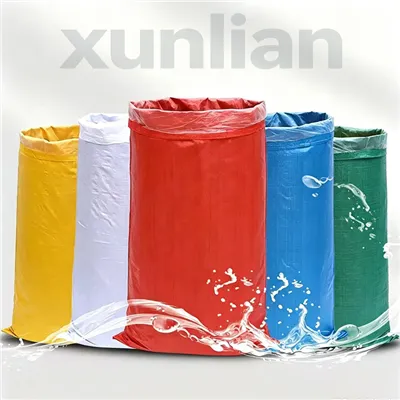
First, let’s ground this in what a Type A FIBC actually is, because that’s key to understanding its uses. Unlike other FIBC types, Type A bags are made from plain woven polypropylene (PP) fabric, with no special treatments—no conductive threads, no antistatic coatings, no additives to reduce static buildup. That sounds simple, but it’s exactly what makes them versatile in environments where static isn’t a risk, and where the material you’re transporting doesn’t react poorly to plain PP. The National Fire Protection Association (NFPA) classifies Type A FIBCs as “general purpose” because they don’t have any inherent static-dissipating properties, so they’re not designed for hazardous dust or flammable materials. That classification lines up with their core use cases: moving and storing non-hazardous, dry, bulk solids where static electricity isn’t a concern.
The first and most obvious place you’ll find Type A FIBCs is in agriculture. We ship hundreds of these bags every year to family farms, agricultural processing plants, and feed co-ops, and they’re used for everything from raw grain to finished animal feed. Let’s take grain first: wheat, corn, barley, and oats are all transported in Type A FIBCs because their dust isn’t flammable in standard storage conditions, and the plain woven PP is resistant to the mild oils and moisture that come with raw grain. A farmer can load a Type A bag with 1,000 kilograms of harvested wheat, seal it, and store it in a pole barn or transport it to a mill without worrying about the bag degrading. We’ve even had a customer in Iowa use our Type A FIBCs to store seed corn over the winter—they’re light, easy to stack, and the polypropylene doesn’t attract mold or pests the way paper bags would.
Animal feed is another big agricultural use, and here Type A FIBCs shine because they’re affordable and durable enough to hold blended feed, which might have pellets, grains, and vitamin supplements. One customer told me they switched from smaller 50-kilogram sacks to Type A FIBCs to cut down on labor: loading one 1-ton bag takes the same time as loading 20 smaller bags, and they only need two people to move a full bag with a forklift instead of four. That’s a huge productivity win for small to mid-sized farms that don’t have big material handling teams. We also make Type A FIBCs with a liner option, which is perfect for feed that’s prone to spoilage—like wet catfish feed, or alfalfa pellets. The liner adds an extra layer of protection against moisture, and since it’s also PP, it doesn’t react with the outer bag, so the bag remains Type A compliant even with the liner.
Beyond agriculture, the food and beverage industry is a massive user of Type A FIBCs. I know a lot of people assume FIBCs are just for “industrial” materials, but that’s not true—type A bags are regularly used for food-grade products, as long as the polypropylene we use meets FDA (U.S. Food and Drug Administration) food contact standards. We sell food-grade Type A FIBCs to spice processors, for example, who transport bulk cinnamon, paprika, and turmeric from growers to packaging facilities. The plain woven PP is easy to clean, and since there are no special coatings, it doesn’t leave residue that could alter the flavor or quality of the spice. Another common food use is dry ingredients for baking: flour, sugar, cocoa powder, and baking soda are all shipped in Type A FIBCs for commercial bakeries. A large bakery I work with in Chicago told me they save about $15,000 a year by using Type A FIBCs instead of 50-pound paper sacks—they reduce waste (paper bags tear easily, so they’d often spill flour during transport) and the bags are recyclable, which fits their sustainability goals.
We also see Type A FIBCs used in the chemical industry, though not for hazardous chemicals. Wait, let’s clarify: Type A bags can’t be used for flammable or explosive dusts, or chemicals that generate static, because without antistatic properties, a spark from static could cause an explosion. But for non-hazardous, dry chemicals—like fertilizers, detergents, and industrial salts—Type A FIBCs are perfect. A local chemical manufacturer in Ohio uses our Type A bags to ship bulk sodium bicarbonate, which is used in everything from fire extinguishers to animal feed additives. The bag’s woven PP is resistant to the mild alkalinity of sodium bicarbonate, and since there’s no static, there’s no risk of the dust igniting during loading or transport. Another chemical use is plastic resins: small pellets of polyethylene, polypropylene, and PVC are transported in Type A FIBCs for plastic manufacturing plants. The pellets are dry, non-flammable, and the plain PP bag doesn’t react with them, so they stay clean and free of contamination during shipping. That’s important because even a tiny impurity in plastic pellets can ruin a final product like a water bottle or a toy.
Construction is another area where Type A FIBCs are a go-to. We supply these bags to construction companies, landscaping businesses, and concrete suppliers for materials like sand, gravel, and topsoil. Let’s talk about sand first: construction sites use thousands of tons of sand every year, and Type A FIBCs are ideal because they’re cheap, easy to load, and durable enough to hold 1 ton of sand without tearing. A landscaping company I work with in Texas uses Type A FIBCs to deliver topsoil to residential yards—customers love that the bag is biodegradable? Wait, no, polypropylene isn’t biodegradable, but wait, most of our Type A FIBCs are recyclable, and the landscaping company will pick up empty bags to recycle them, so it’s a closed loop. They also use the bags for decorative gravel, which is sold to homeowners for garden beds. The plain woven PP doesn’t stain the gravel, so the gravel stays looking new, which is a big deal for customers who pay a premium for decorative stone.
Wait, I should also mention some less common but still important uses, to show how versatile Type A FIBCs are. For example, waste management: some recycling centers use Type A FIBCs to store and transport dry recyclables like plastic bottles, aluminum cans, and cardboard scraps. The bags are light enough to move with a forklift, and they hold a lot of material, so recycling centers don’t have to spend time handling multiple smaller bins. Another use is the arts and crafts industry: bulk supplies of beads, fabric scraps, and resin crafts are sometimes shipped in Type A FIBCs, since they’re non-hazardous and don’t require static protection. We even had a customer who uses Type A FIBCs to store Halloween decorations—inflatable yard ghosts, plastic pumpkins, and string lights—because the bags are big enough to hold all the decorations from a season, and the woven PP protects them from dust and moisture.
Now, I know some of you might be wondering: why not use a different type of FIBC for these applications? For example, Type B bags have antistatic properties, so they’re safer for some materials, but they’re more expensive than Type A. Type C and D bags are conductive, designed for hazardous environments, and they’re even pricier. So if you don’t need those extra properties, Type A is the most cost-effective choice. That’s a big reason they’re so popular—you get the durability and large size of a FIBC without paying for features you don’t need.
I should also address a common misconception: Type A FIBCs aren’t just for large, industrial operations. Small businesses can benefit from them too. For example, a hobby farm with 100 cows might only need two Type A FIBCs a year for feed, instead of buying 50-pound bags every month, which saves money on packaging and labor. A small bakery that makes 100 loaves of bread a week can use a 500-kilogram Type A bag of flour, which is cheaper than buying 50-pound sacks. I’ve had customers tell me that switching to Type A FIBCs was one of the best decisions they made for their bottom line, even if they’re a small operation.
Now, let’s talk about what makes a good Type A FIBC, because not all suppliers make them the same. We’ve seen cheap Type A bags from overseas that tear easily, especially when they’re overloaded or exposed to moisture. That’s why as a supplier, we make sure our Type A FIBCs are made from high-density woven polypropylene, with reinforced seams so they can handle the weight of 1,000 to 1,500 kilograms, depending on the model. We also offer custom options, like different sizes, handles, liners, and printing, so you can get a bag that fits your exact needs. For example, a spice processor might want a Type A bag with a discharge spout to make it easier to empty the spice into mixing machines, while a farmer might want a bag with four lifting loops to make it easy to move with any forklift.
If you’re still on the fence about whether Type A FIBCs are right for your operation, think about what you’re transporting: is it dry, non-hazardous, and non-flammable? If yes, Type A is almost certainly the best choice. They’re durable, cost-effective, versatile, and widely available from reputable suppliers. I’ve been in this industry long enough to know that there’s no one-size-fits-all FIBC, but Type A is the workhorse that works for more people than any other type.

At the end of the day, the right FIBC can save you money, reduce labor time, and protect your products during transport and storage. If you think Type A FIBCs might be a good fit for your business, I’d be happy to discuss your needs in more detail. We offer flexible order sizes, competitive pricing, and we’re always here to answer questions about which type of FIBC is best for your specific application. Whether you’re a small farmer just starting out or a large chemical manufacturer looking to cut costs, we can provide Type A FIBCs that meet your needs.
Flood Control Sandbags References
- National Fire Protection Association. (2020). Standard for Flexible Intermediate Bulk Containers (NFPA 70).
- U.S. Food and Drug Administration. (2022). Food Contact Materials: Polypropylene Resins and Films.
- Flexible Intermediate Bulk Container Association. (2021). General Purpose FIBC Usage Guide.
- Agriculture and Agri-Food Canada. (2020). Bulk Storage and Transport of Grain: Best Practices for FIBCs.
Liaoning Xunlian Packaging Products Co., Ltd.
Liaoning Xunlian Packaging Products Co., Ltd. is one of the most professional type a fibc bags manufacturers and suppliers in China, featured by quality products and good service. Welcome to wholesale CE approved type a fibc bags made in China here and get quotation from our factory. Customized orders are welcome.
Address: Chaoyang Industrial Park, Kangping, Shenyang, Liaoning, China.
E-mail: info@xunlianpack.com
WebSite: https://www.xunlianpack.com/
