If you’re a small-scale hobby farmer just getting into hay production, or a mid-sized operation looking to upgrade your gear, I get it—wading through all the farm implements you actually need (and the ones you can skip, let’s be real) can feel overwhelming. As someone who’s been selling farm implements for over a decade, I’ve seen farmers waste cash on fancy tools they’ll use once a year and skip the workhorse pieces that make cutting, curing, and baling hay way less of a headache. Let’s break this down, no jargon, no confusing acronyms—just the stuff you actually need. Farm Implements
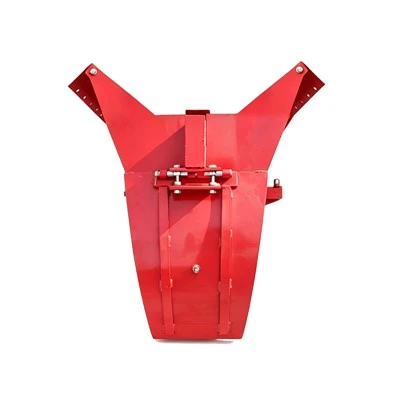
First off, let’s start with the basics: you can’t make hay without cutting the grass or legume crop first. That’s where the mower comes in. A lot of new folks try to get away with a sickle bar mower because they’re cheaper, but here’s the thing: sickle bars are great for small, flat fields with uniform crops, but they jam like crazy if there’s any rocks, uneven ground, or thick weeds. If you’re farming anything more than a few acres, a rotary disc mower is way better. They’re faster, handle rough terrain, and don’t clog as easy. Yeah, they cost a bit more upfront, but they’ll save you hours of frustration every time you head out to the field. Pro tip: if you’ve got super steep hills or really tight spots, a flail mower might be your move—they chop up hay into smaller pieces, which is perfect for silage or if you’re feeding sheep, but skip ‘em if you want big, neat bales.
Once you cut the hay, you can’t just leave it lying there. It needs to cure—dry out—until its moisture level is around 12-15%, or it’ll mold in the bale and go to waste. That’s where tedders and rakes come in. A lot of farmers mix these up, but they do totally different jobs. A tedder fluffs up the cut hay and turns it over, so every piece gets exposed to sun and air evenly. If you skip the tedder, the bottom layer of hay will stay damp, and you’ll end up with a big, moldy clump in the middle of your windrow. Then a rake gathers that fluffed hay into a neat windrow—long, straight piles that fit perfectly under your baler. You’ve got two main types of rakes: wheel rakes and rotary rakes. Wheel rakes are the budget-friendly option, great for flat fields, but they can leave hay uneven and miss spots. Rotary rakes (sometimes called star rakes) are more expensive, but they work way better on uneven ground, pick up more hay without losing it, and don’t clog as much with stems or leaves. If you’re on a tight budget, you can get by with a single wheel rake and do a tedder pass by hand with a pitchfork for small fields, but anything over 5 acres? Get both a tedder and a rake. Trust me, your back will thank you.
Next up, the big one: baling. This is where you turn all that cured hay into something you can stack, store, and sell. There are three main types of balers, and picking the right one depends entirely on your operation. Round balers are super popular with mid-sized to large farms—they make big, 400-600 lb bales that are easy to handle with a tractor or pickup, and they don’t need to be dried as perfectly as small square bales. But wait, if you’re selling hay to horse owners or small hobby farms, round bales are too big for a lot of them—they can’t move ‘em, and they go bad fast once opened. That’s where small square balers come in. They make those 40-50 lb bales everyone recognizes, easy to stack, sell, and feed. But they’re slow, and they jam a lot if your hay isn’t perfectly cured. Then there’s large square balers—those are for massive operations, making 900-1,500 lb bales that you can load onto semi-trucks. They’re way faster than small square balers, but they cost a fortune and are way too much gear if you’re only doing 20 acres a year.
Here’s a mistake I see all the time: farmers buy a cheap small square baler and then complain it breaks every other bale. If you’re going small square, spring for a used, well-maintained one (or a new mid-range model) from a reputable brand—don’t skimp here. A good baler will make uniform bales, waste way less hay, and last for years. Also, if you’re going round baler, get one with a net wrap or twine option. Net wrap is way easier to use than twine—you don’t have to tie knots, it wraps evenly, and the bale stays intact way better in the field. Yeah, it’s a bit more expensive, but it saves you so much time and hassle.
Wait, I can’t forget about one more tool you might not think about: a hay conditioner. A lot of new farmers skip this, but it’s a game-changer for curing time. Hay conditioners (which attach right to the mower) crimp or crush the stems of the hay so they dry way faster. If you’re in an area with a lot of rain or high humidity, a conditioner cuts your curing time in half—instead of leaving hay out for 3-4 days, you can do it in 1-2. That means less chance of rain ruining your entire crop. The two types of conditioners are roller conditioners (which use rubber or steel rollers to crush stems) and rotary conditioners (which use flail knives to cut stems). Roller conditioners are better for grass hay, rotary for legumes like alfalfa. If you’re growing a mix, go with a roller conditioner. Again, it’s a small extra cost that saves you from losing months of work to a random rainstorm.
Now, let’s talk about the tools you can probably skip—save your cash for the stuff that matters. For example, a hay elevator. A lot of small farmers still use one, but most mid-sized operations use a tractor with a front-end loader or a telehandler to move bales. Hay elevators are bulky, slow, and hard to store if you don’t have a big barn. Unless you’re exclusively moving bales by hand (which, let’s be real, no one does anymore), skip the elevator. Another one: a hay grinder. If you’re feeding your own animals, you might need a grinder occasionally, but a lot of people just use a hammer mill or feed grinder they already have for grain. Don’t buy a separate hay grinder unless you’re grinding hay into feed for dairy cows or something similar.
Wait, let’s cover one more thing that’s easy to overlook: maintenance tools for all this gear. If your mower’s blade is dull, you’ll tear the hay instead of cutting it, which slows down curing. If your baler’s needles are bent, you’ll break twine all day long. So you’ll need basic tools like a wrench set, a grinder for sharpening blades, replacement parts (belts, needles, blades) for your implements, and maybe a small air compressor for cleaning out clogged parts. I always tell new farmers to keep a little “hay season tool kit” in their tractor cab—you’ll be glad you did when something breaks mid-pass.
Now, let’s wrap this up with a quick checklist, so you don’t forget anything:
- Mower (rotary disc for most operations, flail if you need small pieces)
- Hay conditioner (to speed up curing, worth every penny)
- Tedder (to fluff hay for even drying)
- Rake (wheel or rotary, depending on your field terrain)
- Baler (small square for hobby farms, round for mid-sized, large square for big ops)
- Basic maintenance tools and replacement parts
If you’re looking to upgrade your hay implements or just starting out and need to figure out exactly what gear fits your operation, don’t overcomplicate it. The last thing you want is to buy a bunch of tools you don’t need and end up stuck with a garage full of unused equipment. We’ve helped hundreds of farmers pick the right gear for their hay production, whether they’re doing 5 acres or 500 acres. There’s no one-size-fits-all, but we can walk you through what works for your land, your crop, and your budget. Reach out to chat through your needs—no sales pitch, just straight talk from someone who’s been in the farm implements game for years.
Compact Tractors References:
- Ohio State University Extension. (2022). Hay Production Guide for Small Farms. The Ohio State University.
- United States Department of Agriculture (USDA). (2021). Farm Implements for Hay Harvesting and Processing. USDA Agricultural Marketing Service.
- University of California Agriculture and Natural Resources. (2020). Curing and Storage of Hay for Small-Scale Operations. UC ANR Publication.
- National Hay Association. (2023). Best Practices for Baler Selection in Modern Hay Production. National Hay Association.
- Practical Farmers of Iowa. (2022). Budgeting for Hay Implements: A Guide for Beginning Farmers. Practical Farmers of Iowa.
Shandong Jiayuan Agricultural Equipment Co., Ltd.
As one of the most professional farm implements manufacturers and suppliers in China, we have world-leading production equipment and strong manufacturing capabilities. Please feel free to buy advanced farm implements for sale here from our factory.
Address: No.2, No.002777 Zhongjiang West 4th Street, Yangzi Subdistrict, Binhai District, Weifang City, Shandong Province, China
E-mail: sdjynyzb@163.com
WebSite: https://www.jiayuantractor.com/
