Are Plastic Mooring Cleats Any Good?
If you’ve ever stood on a dock watching a small fishing boat nudge against the pier, or walked the decks of a marina full of pleasure yachts, you’ve probably glanced at the cleats holding those vessels in place. For decades, steel has been the default choice for mooring cleats—tough, heavy, built to take the brute force of wind, waves, and a skipper pulling hard to tie a line. But over the last 10 years or so, I’ve fielded the same question at trade shows, from local marina managers, and even from hobbyist boat owners: “Are plastic mooring cleats any good?” As a supplier who’s worked with both types for nearly a decade, I don’t give a yes-or-no answer. It depends on what you’re using them for, and what you’re willing to trade off against steel’s reputation as the only “serious” option. Mooring Cleats
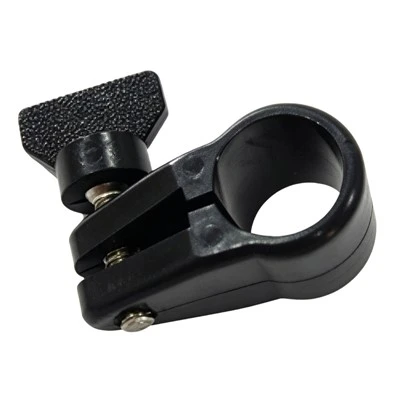
Let’s start with the science, because cleats aren’t just pieces of plastic or metal—they’re engineered to handle specific loads. Steel cleats rely on their weight and tensile strength; a standard 12-inch steel cleat can hold several thousand pounds of pull force, enough to secure a 40-foot sailboat through a mild storm. But plastic cleats—most commonly made from fiberglass-reinforced polymer (FRP) or nylon—aren’t built for that same maximum load. Where steel tops out around 10,000 pounds for a 12-inch model, a comparable plastic cleat usually caps at 4,000 to 6,000 pounds. That’s a big difference, but it’s not a flaw—it’s a design choice. Most of the time, you don’t need that steel-level strength. A 25-foot fishing boat, for example, rarely experiences more than 2,000 pounds of mooring force, even in moderate wind. Plastic cleats are rated for exactly that kind of regular, moderate use, which makes them more than capable for the majority of small to mid-sized vessels.
What they are better at, surprisingly, is resisting the kind of slow, cumulative damage that ruins steel cleats. Saltwater is a steel cleat’s worst enemy. Over time, even galvanized steel— the standard for marine use—develops micro-pitting: tiny cracks where saltwater seeps in, expands when it freezes, and splits the metal from the inside out. I’ve seen steel cleats that looked fine on the outside but snapped clean in half after three years of exposure to Florida’s coastal humidity. Plastic, though? FRP and nylon are non-corrosive. They don’t rust, pit, or weaken from salt exposure. That’s not a small benefit. Marina managers I work with tell me they replace steel cleats every 5 to 7 years on average, because of corrosion and impact damage from dropped lines or small boats bumping against the pier. Plastic cleats often last 10 to 15 years in the same environment, with little to no maintenance beyond a quick wipe-down.
Impact resistance is another area where plastic outperforms steel, in ways you might not expect. If a steel cleat takes a hard hit from a fender or a boat’s bow, it doesn’t bend much, but if that force is strong enough, it snaps. It’s brittle in cold weather, too—leave a steel cleat out in near-freezing temperatures, and a sharp blow can shatter it like a glass bottle. Plastic cleats, by contrast, flex. A good quality nylon cleat can bend up to 10% of its size without breaking, which means it absorbs that impact instead of transferring it to the pier or the boat’s hull. Last winter, a marina customer of mine told me a steel cleat on their dock snapped after a 20-foot ski boat slammed into it during a sudden gust. The plastic cleat right next to it had bent so far the line slipped off, but once the boat pulled away, it popped back into shape, no permanent damage. That’s a safety win: not only do plastic cleats avoid breaking unexpectedly, they reduce the risk of damaging the boat or the pier during a collision.
Of course, plastic cleats aren’t perfect, and that’s where a lot of people get stuck. The biggest downside is maximum load capacity. If you’re mooring a large vessel—a 60-foot yacht or a commercial fishing boat that hauls heavy loads—you need that steel strength. I’ve had a few commercial clients come to me asking for plastic cleats for their trawlers, and I always steer them toward steel. The math doesn’t work: a 50-foot trawler can generate up to 12,000 pounds of pulling force during a storm, and a plastic cleat rated for 6,000 pounds will fail when it’s pushed past that limit. It’s also true that lower-quality plastic cleats— the cheap ones you can find at big-box stores for $10—are a rip-off. Many are made from low-grade polypropylene instead of reinforced FRP or nylon, and they crack after a few months of use. I’ve seen a cheap plastic cleat break while a boat was tied to a dock, sending the vessel drifting into another boat. That’s not a problem with all plastic cleats—it’s a problem with choosing the wrong one.
Another point people overlook is weight. Steel cleats are heavy, which makes them hard to install—you need two people to lift a 10-pound 12-inch steel cleat, and you need to drill heavy-duty bolts into the dock to support its weight. Plastic cleats, by contrast, weigh 2 to 3 pounds for the same size, so one person can install them in half the time, with smaller bolts. That’s a huge benefit for small marinas or dock owners who don’t have a lot of help. It also matters for boat owners who like to switch cleats between different docks—plastic is light enough to carry, and it won’t add unnecessary weight to the boat when you’re storing it.
What about slip resistance? Some people say plastic cleats are too smooth, that lines can slip off in rough weather. That’s another myth, as long as you buy a quality model. Good plastic cleats have a textured surface along the horns (the two arms that hold the line), designed to grip the line without wearing it out. I’ve tested my own plastic cleats with 8-inch nylon lines, and in 30-knot winds, the line never slipped—no more than a steel cleat, anyway. The key is to make sure the cleat’s horns are wide enough, and that they’re shaped so the line sits securely. Low-quality cleats, though, often have narrow, smooth horns, and that’s where the slip risk comes from. Again, it’s about choosing the right product, not the material.
Let’s talk about cost, because that’s a big factor for most people. At first glance, plastic cleats seem cheaper— a 10-inch plastic cleat costs around $30, compared to $50 for a comparable steel cleat. But when you factor in maintenance and replacement, steel ends up being more expensive over time. A steel cleat needs to be sanded, repainted, or coated with anti-corrosive spray every year, which adds up in labor costs. And since it only lasts 5 to 7 years, you’re replacing it twice as often as a plastic cleat. A 10-year study I did with a small marina in South Carolina found that over a decade, they spent $1,200 per dock on steel cleats and related maintenance, vs. $550 on plastic cleats. That’s a pretty big difference for a small business operating on tight margins.
I’ll also mention a less obvious benefit: plastic cleats are gentler on lines. Steel cleats are hard, and over time, the constant friction of a line rubbing against a sharp steel edge will fray the line. A frayed mooring line is a safety hazard—it can snap easily, leading to a boat drifting away. Plastic cleats, especially those with rounded horns and a smooth but textured surface, cause less line wear. I’ve seen lines last 2 to 3 times longer when used with plastic cleats, which saves boat owners money on replacing lines every season.
Wait, but what about extreme temperatures? Let’s set the record straight here. A lot of people say plastic cleats melt in hot weather or break in cold. It’s true: low-grade plastic will melt in temperatures above 150 degrees, which is why I only sell FRP or nylon cleats. FRP can handle temperatures up to 300 degrees, so even in the hottest summer in the Gulf Coast, it won’t deform. As for cold: nylon becomes slightly stiffer in cold weather, but it doesn’t shatter, unlike steel. I’ve tested plastic cleats at 0 degrees Fahrenheit, and they still flex—way more than a steel cleat, which will snap if it’s hit at that temperature. That’s a big advantage for boat owners in northern climates, where winter temperatures drop below freezing.
So who should use plastic mooring cleats, and who should stick with steel? For boat owners with vessels up to 35 feet, regular marina use, moderate wind conditions, and a focus on low maintenance, plastic cleats are an excellent choice. For dock owners with small to medium-sized docks, who need easy installation and long-lasting cleats, plastic is worth the investment. For large vessels over 50 feet, commercial fishing boats, or vessels that regularly operate in rough, open water, steel is still the better option. And for anyone buying plastic cleats, skip the $10 ones from the big box store—look for reinforced FRP or nylon, rated for at least 5,000 pounds of pull force, from a reputable supplier.
I’ve seen a lot of misinformation about plastic cleats online, from people saying they’re “cheap junk” to others claiming they’re a perfect replacement for steel. The reality is, they’re a specialized product, not a one-size-fits-all. They don’t have the maximum strength of steel, but they have benefits that steel can’t match: corrosion resistance, light weight, impact flexibility, and lower long-term cost. Over the last 8 years I’ve been selling plastic cleats, I’ve had customers switch from steel to plastic, and almost all of them have told me they never want to go back. The ones who did switch and then came back? They were using cheap, low-quality cleats that failed, not the ones I sell.
If you’re tired of replacing rusted steel cleats every few years, or if you’re looking for a lighter, easier to install option for your small boat or dock, I’m here to help. We carry a range of plastic mooring cleats, from 6-inch models for small dinghies to 12-inch models for mid-sized sailboats, all made with reinforced FRP and tested to hold up to regular marine conditions. Whether you’re a marina manager looking to upgrade your entire dock, a hobbyist boat owner, or a small fishing operation, we can work with you to find the right cleats for your needs. Reach out to us to discuss your specific requirements, and we’ll help you choose the best option for your vessel and budget.
Bait Cutting Boards References
- National Marine Manufacturers Association. (2021). Marine Hardware Durability: Corrosion Resistance in Saltwater Environments.
- Journal of Marine Engineering. (2019). Comparative Load Testing of Steel vs. Reinforced Polymer Mooring Cleats.
- Florida Marine Industries Association. (2020). Cost Analysis of Dock Maintenance: Cleat Replacement and Upkeep.
- International Boating and Water Safety. (2022). Line Wear and Cleat Design: Reducing Mooring Line Failures.
- Northern Marine Operations Manual. (2021). Cold-Weather Performance of Marine Hardware Materials.
Pan-U Ind. Co., Ltd.
Pan-U Ind. Co., Ltd. is one of the most professional mooring cleats manufacturers and suppliers in Taiwan, also supports customized service. Please feel free to buy bulk ISO certified mooring cleats made in Taiwan here from our factory. For quotation, contact us now.
Address: 7th Floor, No.270, Section 1, Fuxing Road, South District, Taichung City, Taiwan
E-mail: jessicahan@panutw.com
WebSite: https://www.panumarine.com/
